Welcome to our websites!




News
-
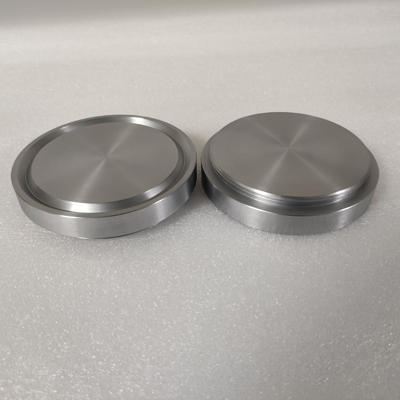
Why is Cr So Useful? From CrN coating to AlCrN coating – The Indispensable Element in Coating Industry
If you have any exposure to PVD coatings, you must be familiar with the name “Cr”. From the most basic CrN to the higher-performance AlCrN, and various Cr-containing nanocomposite coatings, chromium is almost the “evergreen” element in coating formulations. But have you ev...Read more -
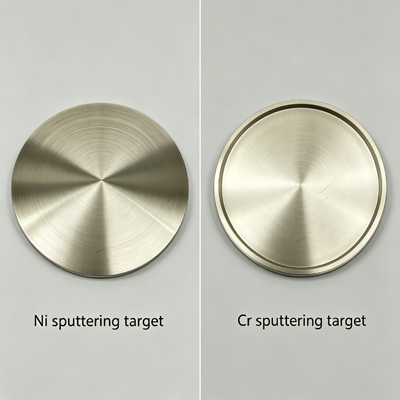
Nickel Target vs. Chromium Target in Magnetron Sputtering: A Complete Guide from Material Properties to Process Selection
In physical vapor deposition (PVD) magnetron sputtering, the choice of target material is a critical factor determining film performance, process stability, and production cost. Nickel (Ni) targets and chromium (Cr) targets are two of the most commonly used metal targets. However, they differ sig...Read more -
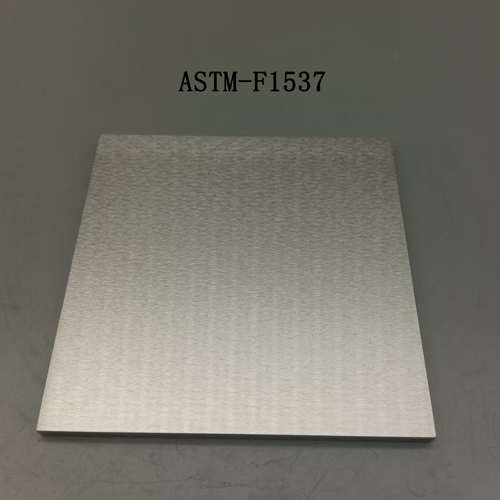
Cobalt-Chromium-Molybdenum (CoCrMo) Alloy – High-Performance Material for Medical & Industrial Applications
One Artificial Hip Joint, Two Hundred Million Movements – And You Definitely Don’t Want It to “Grind Into Dust” or “Rust” Inside Your Body It can not only stay stable in the human body for decades, but also hold its ground near thousand-degree heat in an aircraft eng...Read more -
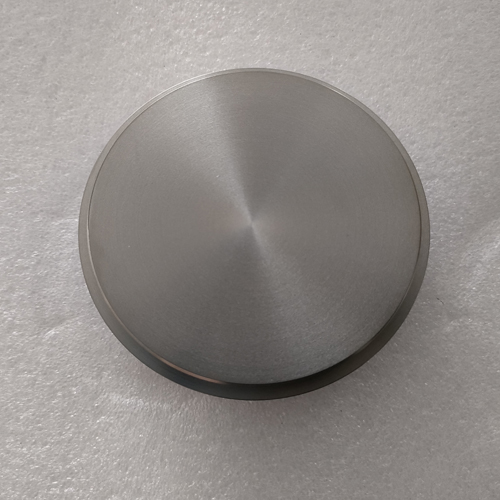
Titanium Aluminum Chromium Alloy Sputtering Target(TiAlCr ): A Key Coating Material for High-End Manufacturing
1. What is a Titanium Aluminum Chromium Alloy Sputtering Target? A Titanium Aluminum Chromium alloy sputtering target (Ti-Al-Cr sputtering target) is a sputtering coating material composed of three metal elements: titanium (Ti), aluminum (Al), and chromium (Cr). Through physical vapor deposition...Read more -
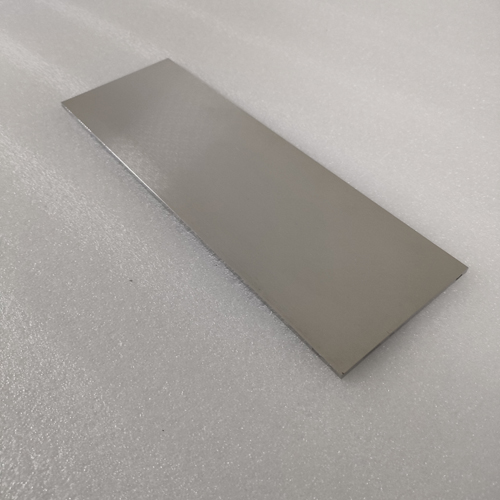
FeMnCoCr Sputtering Target: A Novel High-Entropy Alloy Functional Material
Sputtering targets are key source materials used in physical vapor deposition techniques such as magnetron sputtering to prepare functional thin films. Traditional targets are mainly based on pure metals or binary and ternary alloy systems with a single principal element, and their performance op...Read more -

Vacuum Melting Guide: High Vacuum vs. Low Vacuum – Which One Does Your Alloy Need?
What is Vacuum Melting? Vacuum melting is exactly what it sounds like – melting metals and alloys in a sealed environment from which air has been removed. This isn’t just for show; it solves a core problem: many metals “go bad” when exposed to air at high temperatures. Oxidation, gas absorption, ...Read more -
Selection Guide for Sputtering Target Manufacturing Processes
Selection Guide for Sputtering Target Manufacturing Processes: A Four-Step Decision Method for Vacuum Melting vs. Powder Metallurgy. In high-end manufacturing fields such as semiconductor chips, flat panel displays, and photovoltaic cells, the target material is a core consumable for thin film d...Read more -
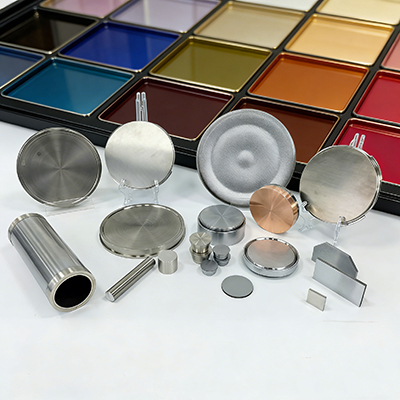
Why Can the Same Target Material Produce Colorful Coatings?
Most pure metals and the targets made from them are silvery-white. However, PVD coating enables a wide range of colorful finishes—contrary to the misconception that “the target’s color determines the coating’s color.” In fact: Titanium targets can produce gold, rose gold, black and ...Read more -
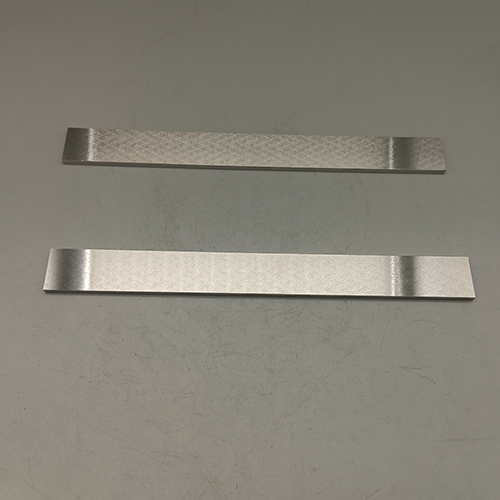
How to Choose the Right Cobalt Sputtering Target
How to Choose the Right Cobalt Sputtering Target? A Complete Guide from Beginner to Expert In the semiconductor manufacturing field, one material is quietly reshaping the landscape of advanced processes—cobalt sputtering targets. It serves as the “invisible hero” in interconnect layers for sub-7n...Read more -

Hiperco 50 Iron-Cobalt Soft Magnetic Alloy: Properties, Composition, and Applications
Hiperco 50 (also known as Hiperco50 or equivalent to grades like 1J22 in some standards) is a specialized iron-cobalt soft magnetic alloy renowned for its highest saturation induction among commercial engineering materials. This article provides a detailed overview of its physical properties, che...Read more -
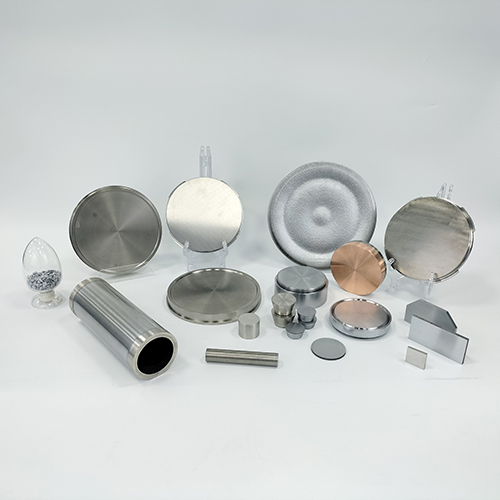
Role of Crystal Structure in Metal sputtering targets
At our company’s technical evaluation meetings for sputtering targets, we often hear conversations like this: “Cobalt targets are quite brittle; It is not easy to roll it into coils.” “Copper targets are much easier to process; you can roll them into any shape.” R...Read more -
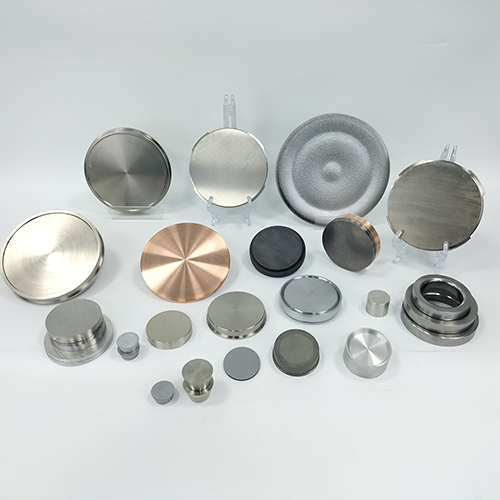
The Addition and Subtraction of Alloy Sputtering Targets
an alloy sputtering target is a PVD coating material created by uniformly fusing two or more metallic (or metallic and non-metallic) elements through specific metallurgical processes. Hearing this, some might say: Isn’t an alloy target just a mixture of whatever materials you want, used as ...Read more