Welcome to our websites!




News
-
Chromium (Cr)and Chromium Alloy Sputtering Targets: Products, Applications
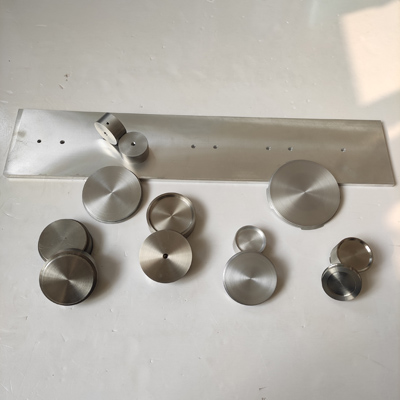
In modern advanced manufacturing, chromium (Cr) and its alloy targets serve as indispensable core materials for physical vapor deposition (PVD) technology, particularly magnetron sputtering processes. They act as “converters,” transforming high-purity metals or alloys into functional ...Read more -
Comprehensive Guide to Aluminum and Aluminum Alloy Sputtering Targets
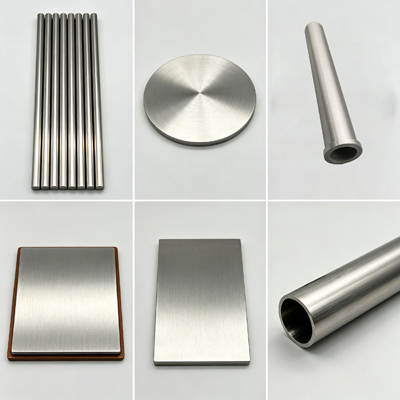
In the fields of precision coating and semiconductor manufacturing, Physical Vapor Deposition (PVD) technology—particularly magnetron sputtering—has become the core method for producing high-performance functional thin films. In this process, the sputtering target serves as the “source mate...Read more -
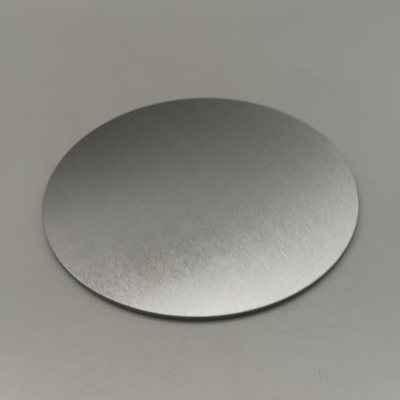
Customized High Purity Chromium (Cr)Sputtering Targets for PVD Coating
Chromium is a silver white glossy metal, high purity chromium having certain ductility. Chromium containing impurities is hard and brittle, and can be dissolved in strong alkaline solutions. Chromium has high corrosion resistance, and in air, even in a hot state, it oxidizes slowly and is insolub...Read more -
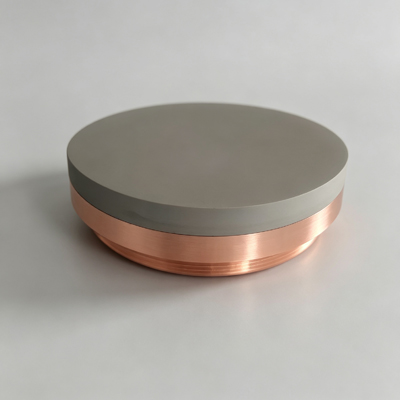
Sputtering Target Bonding Methods: A Comprehensive Guide from Principles to Selection
In magnetron sputtering processes, target-to-backing-plate bonding is often treated as a secondary “auxiliary step” and receives insufficient attention. However, in actual production, issues such as target delamination, localized burn-through, non-uniform film thickness, and target cr...Read more -
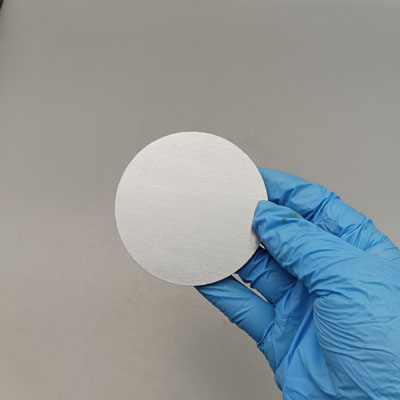
Chromium-Aluminum(CrAl) Alloy Sputtering Target – A Comprehensive Review
Chromium‑aluminum alloy sputtering targets (commonly referred to as CrAl targets or AlCr targets) are high‑performance alloy sputtering source materials widely used in physical vapor deposition (PVD) processes. Through magnetron sputtering or arc evaporation, these targets deposit functional film...Read more -
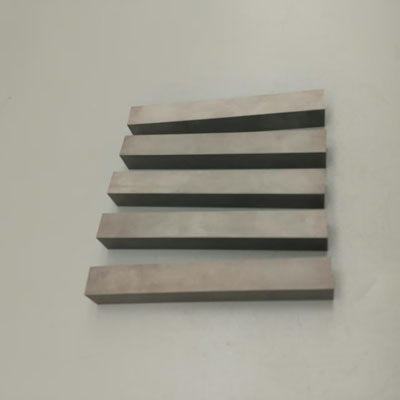
Titanium Diboride (TiB₂): Breaking the Performance Boundaries Between Ceramics and Metals
In the advanced ceramics and vacuum coating industry, there is a material that breaks through the performance limitations of traditional ceramics—”hard but brittle”—and metals—”temperature-limited and wear-prone.” It has become an ideal choice for extreme operating conditi...Read more -
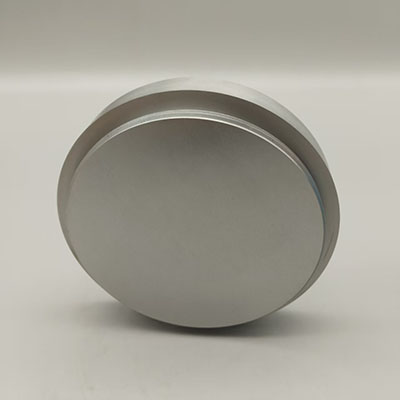
High-Performance Molybdenum Sputtering Targets
As a critical consumable in physical vapor deposition (PVD) processes, the quality of molybdenum sputtering targets directly determines the performance and yield of thin-film devices. With flat panel displays evolving toward larger sizes and higher resolutions, and semiconductor processes becomin...Read more -
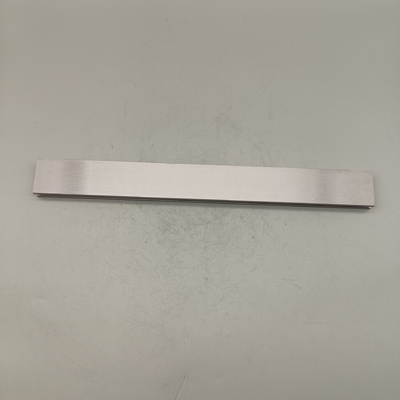
Overview of Tantalum Sputtering Targets
In modern semiconductor manufacturing, Physical Vapor Deposition (PVD) is a key technique for fabricating thin-film structures inside chips. At the heart of this process lies the tantalum sputtering target—one of the most essential consumables. Though it appears to be nothing more than a silver-g...Read more -

Why Choose Rich Special Materials Co., Ltd. as Your Metal Materials Supplier?
In the materials industry, money can buy equipments, but “feel” and “data” can only be earned through experience. True competitiveness lies hidden in the countless details of process—both failures and successes. Rich Special Materials Co.,Ltd. is no simple materials handle...Read more -
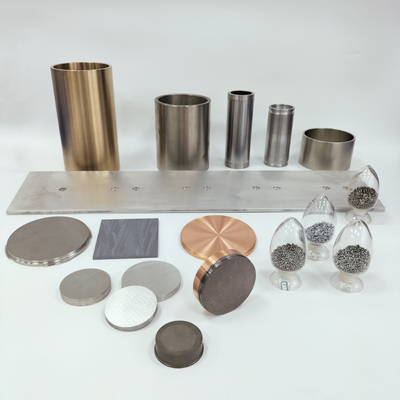
No Stock? Here’s Why Sputtering Targets Need Customization
“Do you have any in stock? I want to buy directly.” This is the question our sales team at Rich Special Materials Ltd. hears most often. Many customers, when they first approach us, instinctively assume that sputtering targets—like ordinary industrial supplies—come with ready-made spe...Read more -
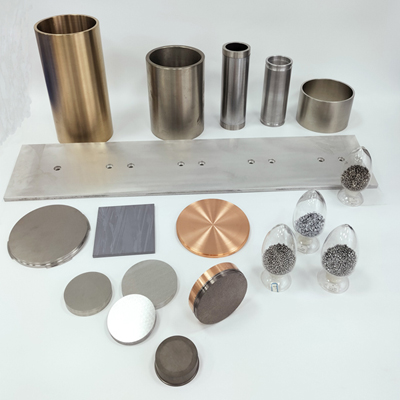
What is “Sputtering Target” That We Often Talk About?
puttering targets are no stranger to those in the materials field, but for friends outside this industry, it might be the first time they’ve heard the term. So today, let’s use plain language to talk about everything you need to know about sputtering targets. I. Breaking Down the Name...Read more -
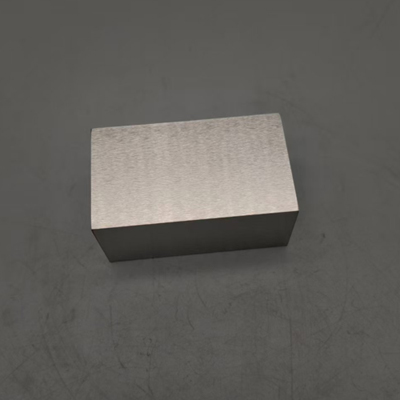
ASTM F1537 Cobalt-Chromium-Molybdenum Alloy: A Review of Chemical Composition, Properties, and Applications
Cobalt-Chromium-Molybdenum (CoCrMo) alloy F1537 is a high-performance cobalt-based alloy that complies with the ASTM F1537 standard. Due to its excellent wear resistance and biocompatibility, it has become the core material for load-bearing implants such as artificial hip and knee joints. When ma...Read more