
In the advanced ceramics and vacuum coating industry, there is a material that breaks through the performance limitations of traditional ceramics—”hard but brittle”—and metals—”temperature-limited and wear-prone.” It has become an ideal choice for extreme operating conditions, combining structural load-bearing capacity with functional characteristics. This material is titanium diboride (TiB₂).
As a hexagonal boride ceramic, TiB₂ possesses a unique layered crystal structure, endowing it with “ceramic-level mechanical properties” and “metal-like electrical and thermal conductivity.” It is a quintessential high-temperature material integrating both functional and structural attributes.
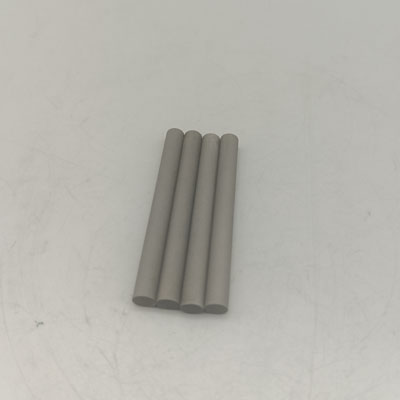
I. Five Core Performance Advantages
✅ Advantage 1: Ultra-High Melting Point and Excellent Thermal Stability
TiB₂ has a melting point as high as 2980°C, classifying it as a refractory ultra-high-temperature ceramic. It can withstand short-term exposure to 1100°C in air, and under vacuum or inert atmospheres, it can serve continuously at temperatures above 1600°C. Combined with a low coefficient of thermal expansion, it exhibits minimal dimensional changes at high temperatures, making it particularly suitable for high-temperature coating processes and molten metal contact applications.
✅ Advantage 2: Ultra-High Hardness and Outstanding Wear Resistance
With a Vickers hardness of 33–35 GPa, TiB₂ is significantly harder than common ceramics such as titanium carbide and silicon carbide. Its low friction coefficient and exceptional wear resistance make it an excellent choice for hard coatings. When applied as a PVD wear-protective coating, it substantially extends the service life of cutting tools, molds, and mechanical components, finding wide application in the tool and die industry.
✅ Advantage 3: Excellent Electrical and Thermal Conductivity—Rare Among Ceramics
Unlike most insulating ceramics, TiB₂ exhibits metal-like electrical conductivity with low resistivity. Its superior thermal conductivity facilitates rapid heat dissipation during operation, preventing localized overheating. This electrical conductivity also enables electrical discharge machining (EDM) and makes it compatible with magnetron sputtering processes, positioning TiB₂ as a premier choice for high-end conductive ceramic targets.
✅ Advantage 4: Strong Chemical Stability and Resistance to Molten Aluminum Erosion
TiB₂ resists corrosion from hydrochloric and hydrofluoric acids. It is not wetted by molten aluminum and exhibits strong resistance to cryolite molten salt corrosion. These properties have made it a key material in the aluminum electrolysis industry, where TiB₂ cathode coatings effectively reduce cell voltage, lower energy consumption, and extend electrolytic cell service life. Additionally, its resistance to molten metal erosion makes it suitable for high-temperature crucibles and metal melting components.
✅ Advantage 5: Balanced Thin-Film Performance and Sputtering Process Compatibility
High-density TiB₂ targets sputter smoothly, with minimal arcing or particle generation. The deposited films exhibit strong adhesion, high density, and uniformity, combining hardness with electrical conductivity. TiB₂ can be used as a standalone coating or combined with TiN, AlN, and other materials to form multilayer composite coatings, meeting diverse coating requirements.
II. Objective Recognition: Industry Challenges of TiB₂
TiB₂ possesses strong covalent bonds and low atomic self-diffusion rates, making densification of pure-phase sintered products challenging. Conventional pressureless sintering struggles to achieve high-density products, and excessive porosity can directly lead to:
Arcing and large-particle generation during sputtering
Reduced mechanical strength and increased peeling tendency
Increased film defects, lowering product yield
Therefore, high-density preparation processes are the key to unlocking the full performance potential of TiB₂.
Beijing Rich Materials leverages mature vacuum hot-pressing and Spark Plasma Sintering (SPS) technologies to reliably produce pure-phase titanium diboride products:
Production-grade TiB₂ targets with relative density ≥ 98.5%
Premium optimized products achieving 99.0%–99.3%
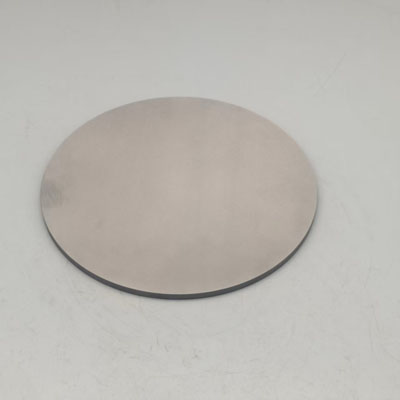
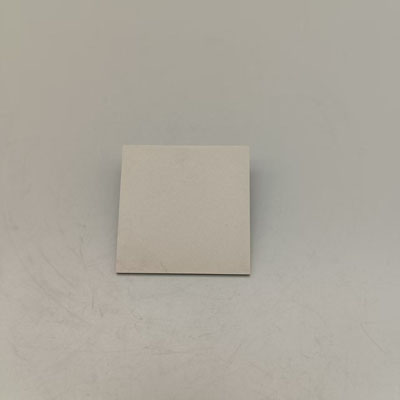
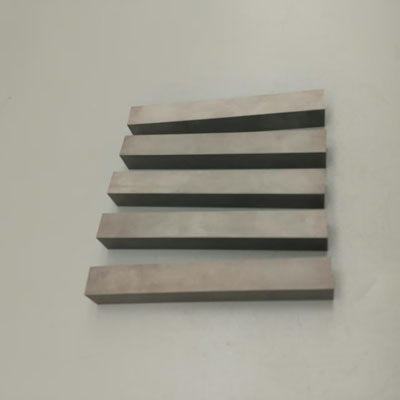
Low oxygen impurities, uniform grain structure, supporting precision machining of round targets, square targets, and custom-shaped components
III. Main Application Scenarios .
Vacuum Coating | Magnetron Sputtering TiB₂ Targets
Wear-resistant coatings for cutting tools, conductive functional films, high-temperature protective coatings
Metallurgical Industry | Aluminum Electrolysis Cathode Coatings
Aluminum-liquid corrosion resistance, energy saving and consumption reduction—a key material for next-generation electrolytic cells
High-Temperature Wear-Resistant Components
Wear-resistant nozzles, seals, high-temperature molds, crucibles
Research and New Material Development
Composite ceramics, high-entropy systems, specialized evaporation materials, electrode specimens.
Breakthroughs in new materials often arise from the fusion and redefinition of performance boundaries. Titanium diboride is precisely such a bridge, combining the advantages of ultra-hard ceramics and conductive metals into a single material. As high-end equipment, new energy, and PVD coating industries continue to upgrade, the market demand for TiB₂ is steadily growing.
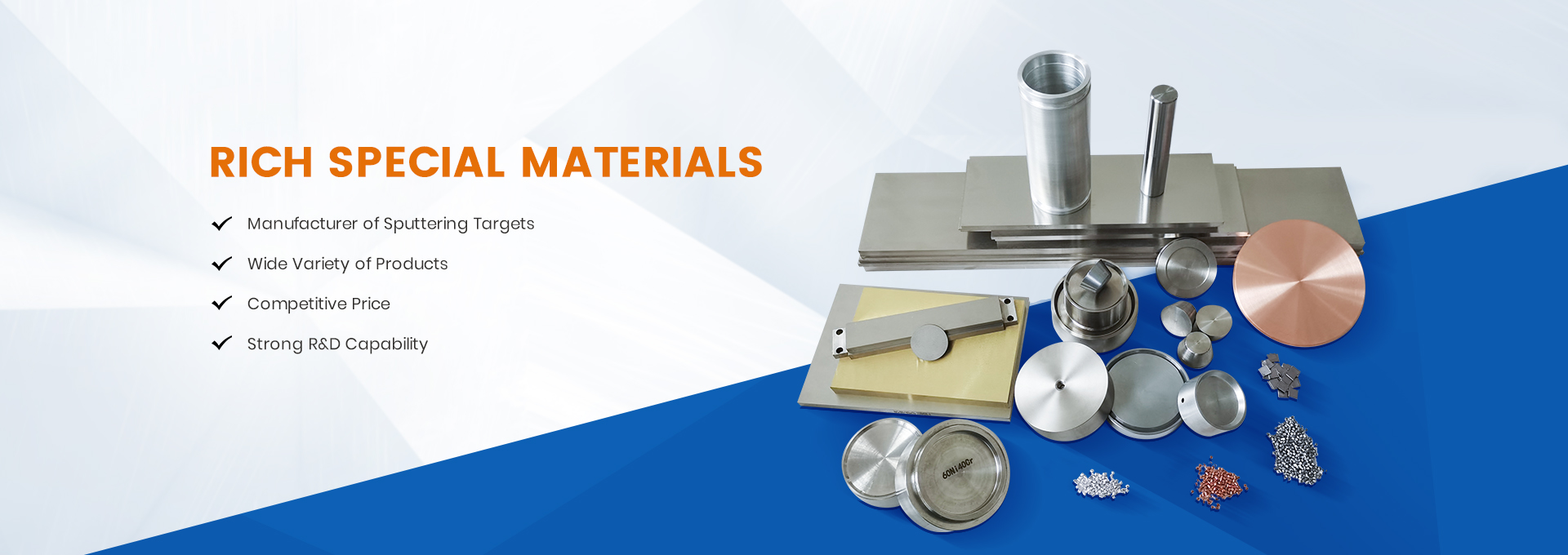
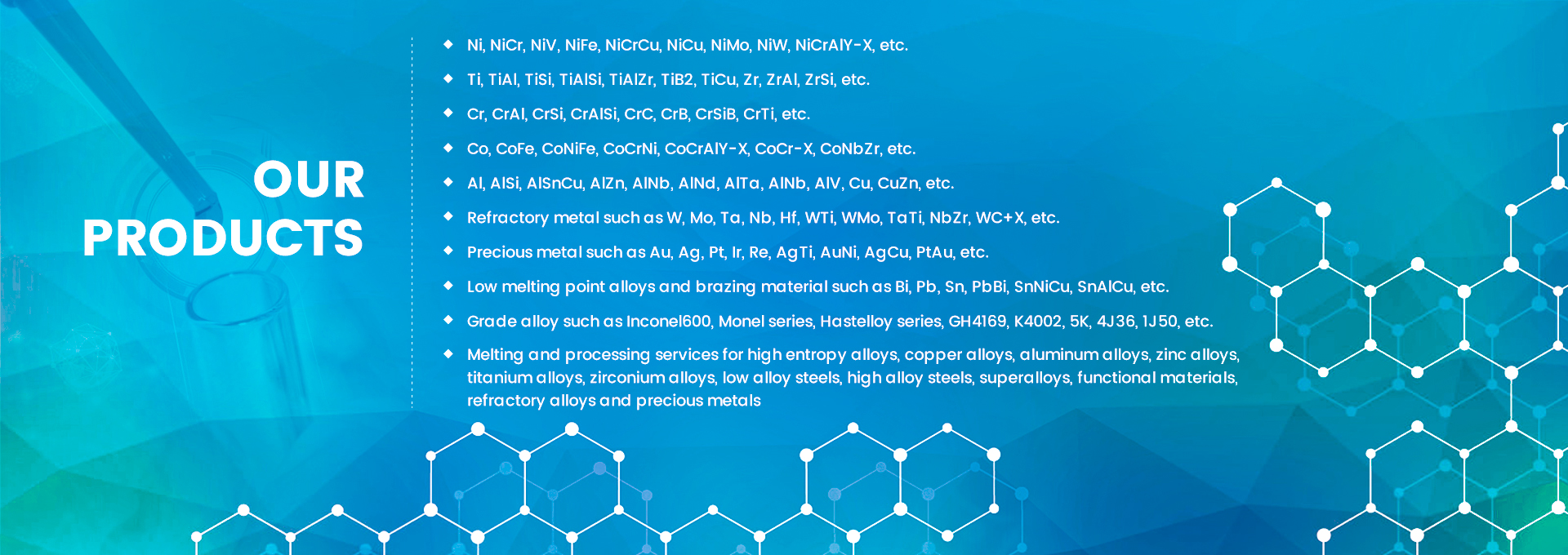
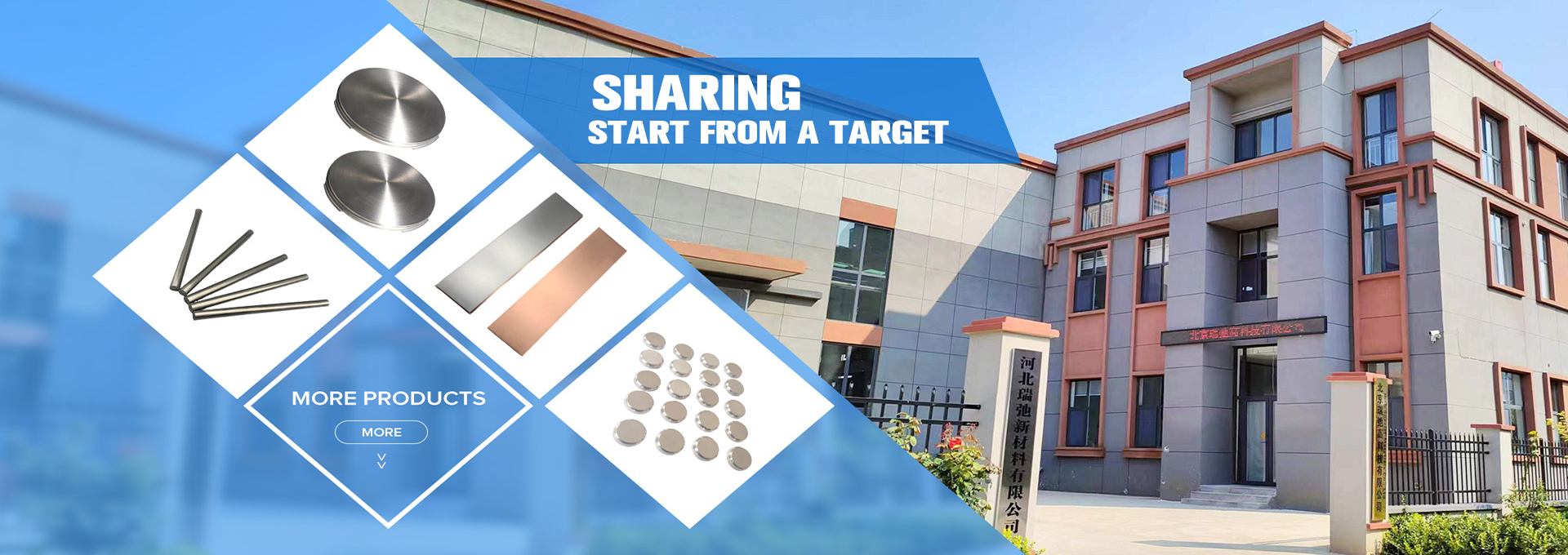
Rich Materials Co.,ltd. specializes in custom high-purity boride and silicide ceramic targets, offering TiB₂ sintered targets, and custom-shaped ceramic components. We support everything from small-sample trials to mass production, providing stable and reliable raw material solutions for the thin-film industry and new materials R&D.
Post time: Aug-04-2026