


In the fields of precision coating and semiconductor manufacturing, Physical Vapor Deposition (PVD) technology—particularly magnetron sputtering—has become the core method for producing high-performance functional thin films. In this process, the sputtering target serves as the “source material” for the thin film, and its composition and purity directly determine the performance limits of the end product.
Aluminum targets are among the most widely used categories in industrial coating applications, thanks to their excellent electrical and thermal conductivity, cost-effectiveness, and good workability. However, different operating conditions impose vastly different physical and chemical requirements on thin films—pure aluminum alone cannot meet all demands. Therefore, introducing alloying elements such as silicon, titanium, chromium, zinc, and copper to form multi-component aluminum alloy targets has become the mainstream approach for customized industry solutions.
Pure Aluminum Targets: The Foundation of High-Conductivity Interconnects
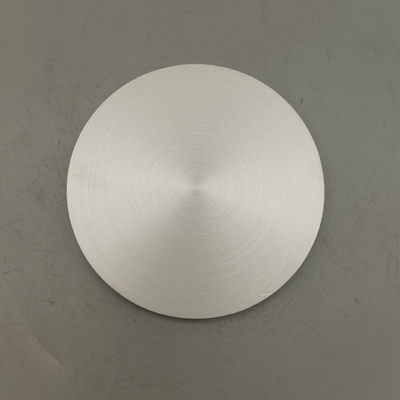
High-purity aluminum targets (purity up to 99.999% or higher) are essential consumables in the microelectronics industry. Their low electrical resistivity and excellent film uniformity make them the primary choice for semiconductor chip interconnect wiring, flat-panel display electrodes, and photovoltaic cell back-surface field electrodes, ensuring high-speed and stable transmission of electronic signals.
High-Performance Binary Aluminum Alloy Targets
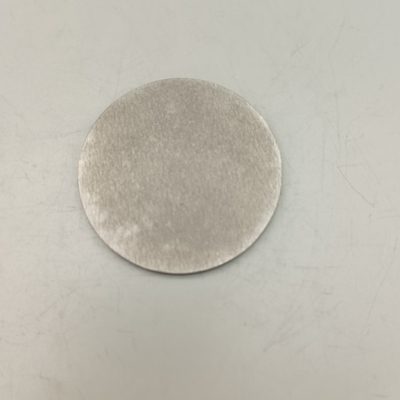
1. Aluminum-Silicon (AlSi) Targets – The Preferred Solution for Electromigration Resistance
As chip manufacturing processes shrink to the nanometer scale, the current density in interconnect wiring increases dramatically, making pure aluminum susceptible to failure due to “electromigration.” Aluminum-silicon alloys address this challenge by incorporating silicon, which raises the electromigration threshold by nearly two orders of magnitude, effectively ensuring device reliability. These targets are widely used in advanced-process logic chips, memory chips, and the contact and wiring layers of MEMS (Micro-Electro-Mechanical Systems) devices.
2. Aluminum-Titanium (AlTi) Targets – The Representative of hard High-Temperature Coatings
Sputtering aluminum-titanium targets in a nitrogen atmosphere enables reactive deposition of TiAlN (Titanium Aluminum Nitride) hard coatings. These coatings combine exceptional hardness (Vickers hardness up to HV 3000+) with excellent oxidation resistance (operating temperatures up to 800°C). Al Ti targets are the reliable choice for extending the service life and improving the machining efficiency of cutting tools, stamping dies, and aerospace high-temperature components.
3. Aluminum-Chromium (Al Cr) Targets – Experts in High-Temperature Oxidation-Resistant Coatings
Unlike Al Ti, which emphasizes hardness, aluminum-chromium targets excel in outstanding high-temperature oxidation resistance and hot hardness. In dry and high-speed cutting applications, Al Cr coatings form a dense chromium oxide protective layer that effectively inhibits elemental diffusion. The resulting coatings are dense and smooth, making them particularly suitable for surface strengthening of precision molds and die-casting tools.
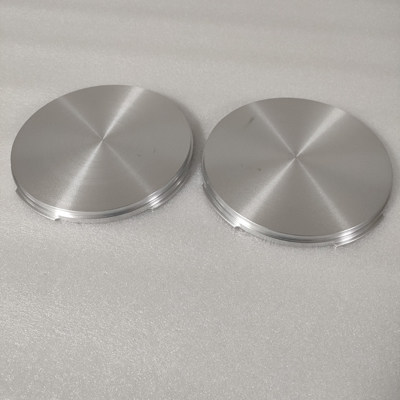
4. Aluminum-Magnesium (AlMg) Targets – The Choice for Light weighting and Corrosion Resistance
The addition of magnesium significantly enhances the specific strength and corrosion resistance of aluminum alloys. Thin films deposited from Al Mg targets are commonly used for surface protection coatings on aerospace components, automotive lightweight structural parts, as well as in certain high-end decorative coating processes, balancing aesthetic appeal with durability.
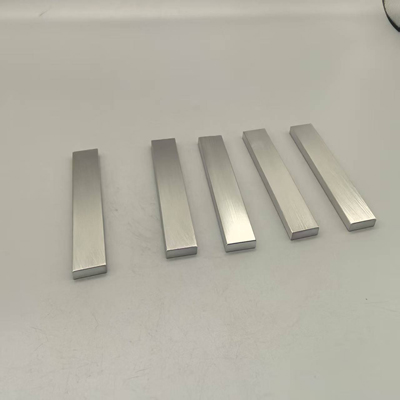
5. Aluminum-Zinc (AlZn) Targets – Exploration of Specialized Protective Layers
Aluminum-zinc alloy thin films, due to their specific electrochemical properties, are being explored for applications in metal anti-corrosion coatings (such as providing cathodic protection) and certain optical thin films. Additionally, doped zinc oxide (AZO) deposited from related targets has become an important low-cost alternative as transparent conductive oxide films in the optoelectronics industry.
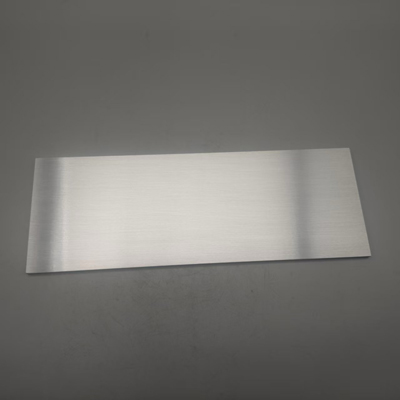
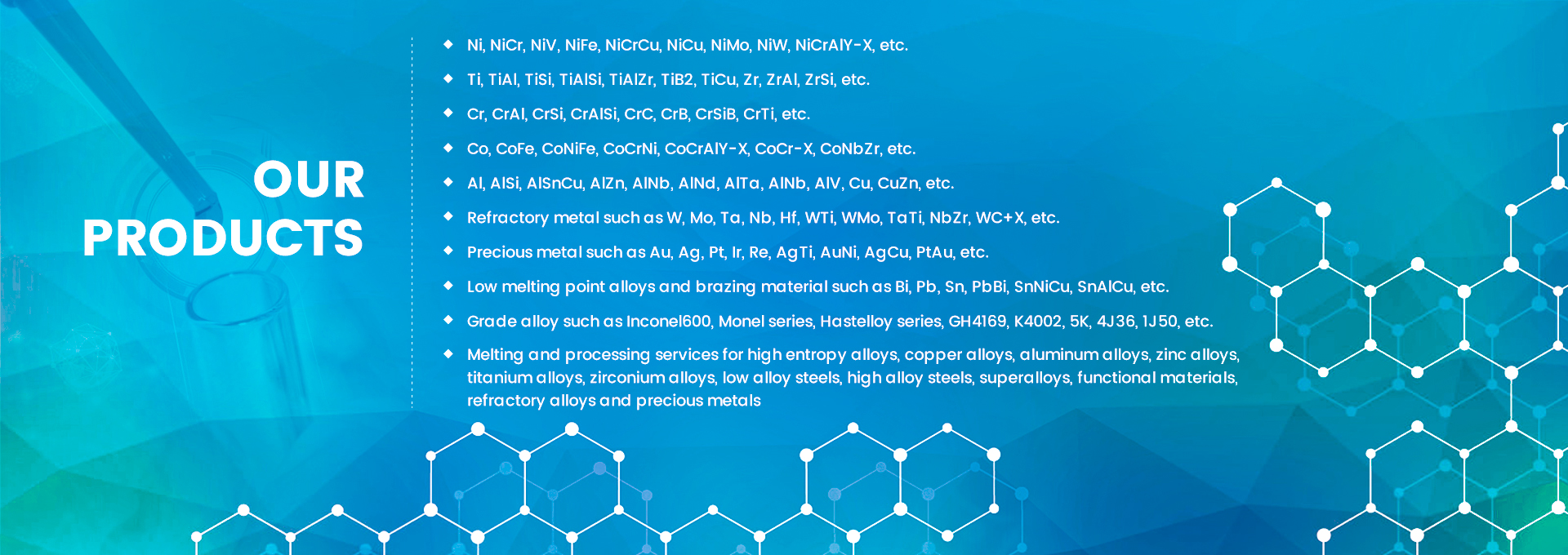
6.Aluminum-Copper (AlCu) : Used in microelectronic interconnects to balance electrical conductivity and electromigration resistance, serving as a specific wiring material for high-frequency signal transmission scenarios.
Ternary and Multi-Component Aluminum Alloy Targets
Aluminum-Tin-Silicon (AlSnSi) and Aluminum-Tin-Copper (AlSnCu) : The addition of tin often improves the wettability or anti-friction/lubricating properties of the thin film. These materials are frequently used as specialized functional coatings or as transitional “underlayers” in multilayer film structures to enhance film-substrate adhesion.
Selecting the right aluminum-based target essentially comes down to the electrical properties, mechanical strength, thermal tolerance, and corrosion resistance requirements of the target thin film—a precise exercise in material design. Whether it’s pure aluminum for ultimate conductivity, AlTi alloys for wear resistance, or AlSi materials for electromigration resistance, the diverse family of aluminum alloy targets continues to underpin the technological advancement and iterative upgrading of strategic industries, including semiconductors, new energy, and high-end equipment manufacturing.
We are committed to providing a full range of aluminum and aluminum alloy sputtering targets with precise composition.
Post time: Aug-29-2026