Welcome to our websites!




News
-
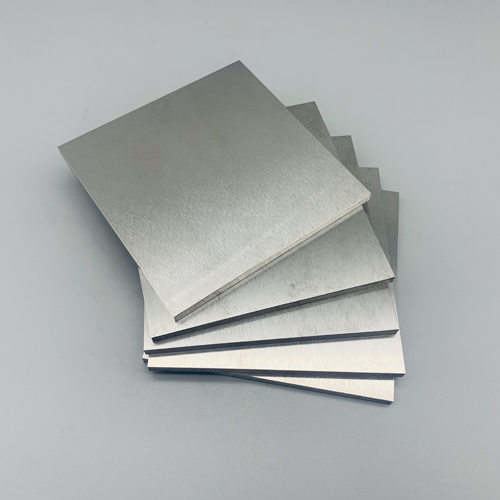
What are Special Alloys?
In the vast expanse of materials science, special alloys stand out as brilliant “performance stars.” They are not created for ordinary needs but are engineered as “special forces” for extreme operating conditions. From soaring jet aircraft and deep-sea explorers to the hea...Read more -
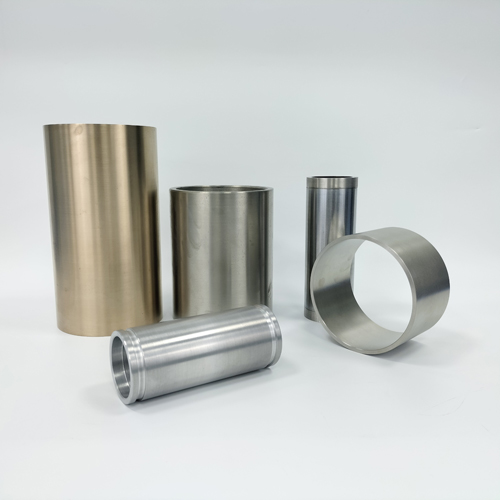
What is Sputtering Target Poisoning? How to Prevent and Handle It?
In the manufacturing of modern high-tech products, from smartphone screens to energy-efficient glass and precision chips, a core coating technology called “magnetron sputtering” is indispensable. Simply put, it acts like an “ion spray gun,” using high-energy particles to b...Read more -
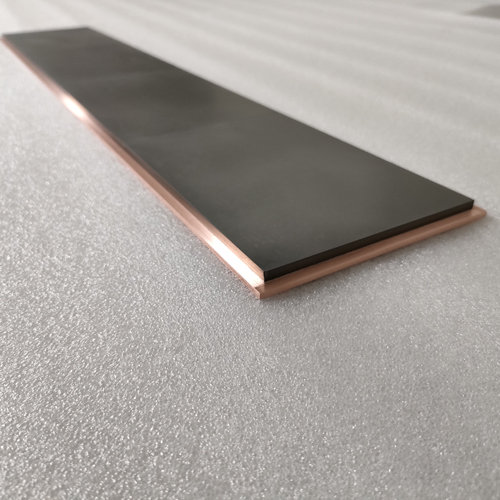
Analysis of Indium Bonding Layer Detachment in Sputtering Targets During the Sputtering Process
In magnetron sputtering technology, indium bonding is the most commonly used thermal management process for joining sputtering targets (especially brittle materials like ITO ceramics or silicon) to a copper backplate. The indium layer acts as both a “thermal conductive bridge” and a &...Read more -
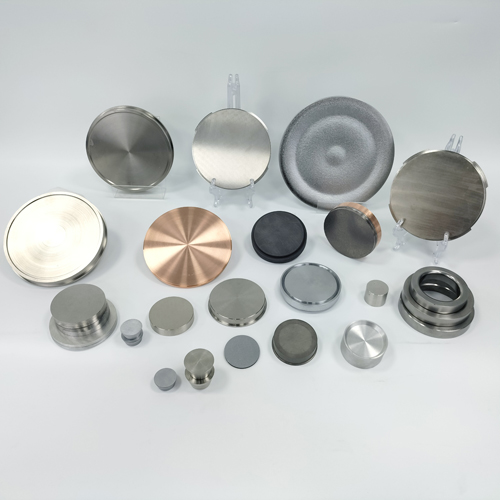
Atomic Ratio vs. Mass Ratio: The Key Distinction in Sputtering Target Materials
In advanced manufacturing fields such as semiconductors, optical coatings, and hard coatings, target materials are the “heart” of Physical Vapor Deposition (PVD) technology. An interesting yet often confusing phenomenon for procurement novices is this: when you inquire about a “...Read more -
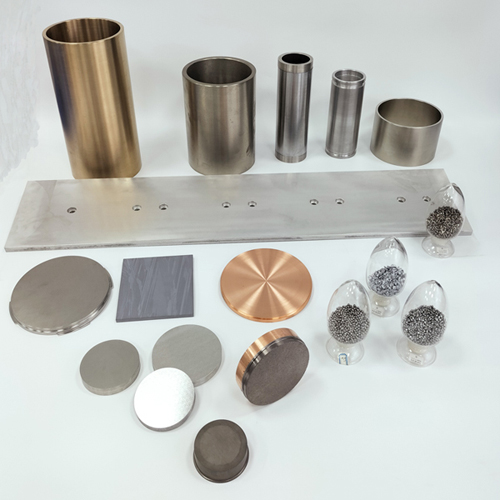
High-Purity Metal Targets vs. Alloy Targets: Performance Differences and Application Scenarios Explained
In magnetron sputtering processes, the choice of target material is the first critical step determining thin-film performance. Engineers and procurement decision-makers often face a choice between two mainstream categories: high-purity metal targets and alloy targets. The core of the selection is...Read more -
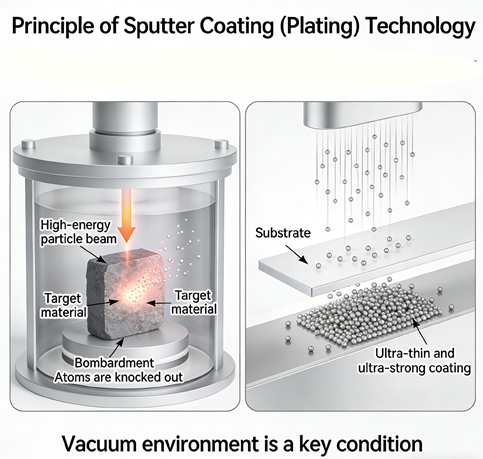
The Underlying Logic of Sputtering: Using Atoms to “Paint” the Thin-Film Technology
1. What is Sputtering? The Core Concept in One Sentence Sputtering (also known as sputter coating) is an advanced technology that, within a vacuum environment, uses high-energy particles to “bombard” a solid material, “knocking” its atoms out one by one, and then allowing...Read more -
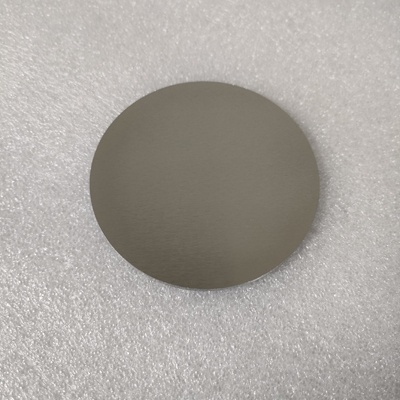
Cobalt-Chromium-Iron-Nickel Alloy Target: The Future-Oriented High-Performance Coating Solution
In the field of materials science, Cobalt-Chromium-Iron-Nickel (CoCrFeNi) alloy targets are rapidly emerging as a highly promising advanced material for preparing high-entropy alloy (HEA) thin films. With their unique compositional design and groundbreaking comprehensive properties, they offer in...Read more -
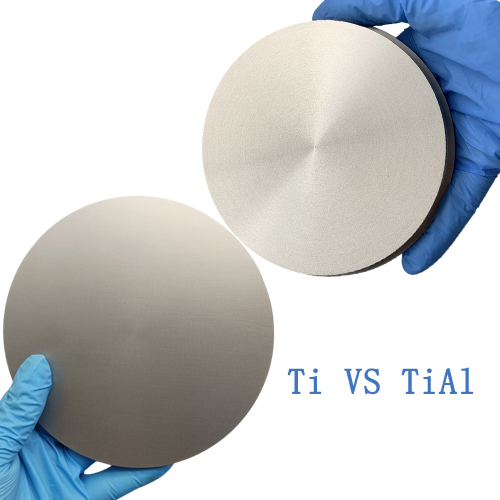
Comparison of Titanium Targets and Titanium Aluminum Targets: Properties, Coating Characteristics, and Applications
In Physical Vapor Deposition (PVD) and magnetron sputtering processes, the target material, as the source for thin-film deposition, directly determines the final coating’s performance. Titanium targets and titanium aluminum targets are two crucial materials widely used in semiconductors, de...Read more -
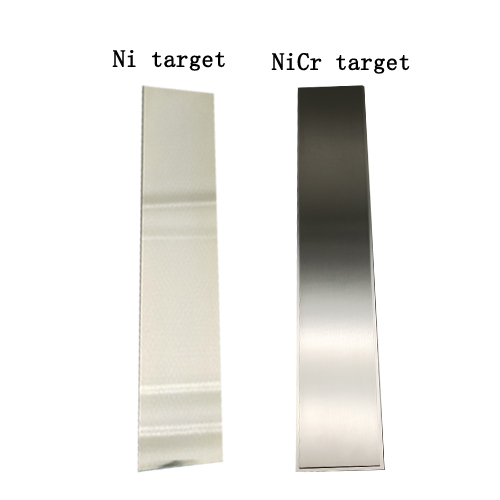
Comparison of Nickel Targets and Nickel-Chromium Targets: Properties, Coating Characteristics, and Applications
In the field of physical vapor deposition (PVD), nickel-based targets are indispensable key materials. Among them, pure nickel targets and nickel-chromium alloy targets occupy distinct application niches due to their unique properties. This article provides an in-depth comparison of the differenc...Read more -
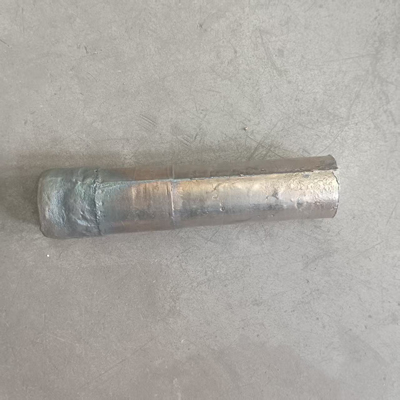
The Process, Characteristics of Vacuum Induction Melted Nickel Alloy Ingots
Nickel-based alloys, as a critical component within the modern industrial materials system, play an indispensable role in aerospace, energy and chemical engineering, and high-end medical fields due to their exceptional high-temperature strength, superior corrosion resistance, and good fatigue per...Read more -

Vacuum Induction Melting (VIM) Alloy Ingots
Vacuum Induction Melting (VIM) is a key specialized metallurgical process for producing high-end metal materials. It involves heating, melting, refining, and finally casting metal into ingots within a sealed environment under high vacuum or inert gas protection, utilizing the principle of electro...Read more -
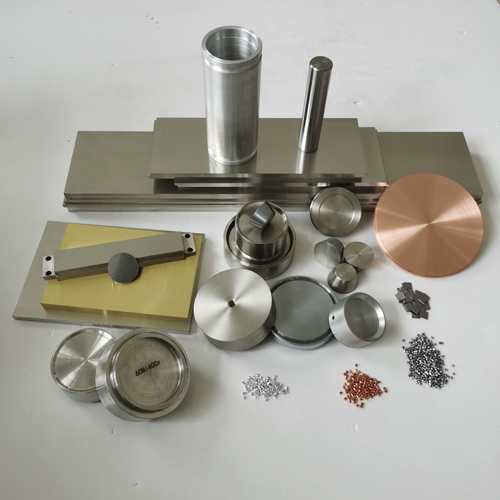
Sputtering Targets: The “Invisible Cornerstone” of Modern High-Tech Industries
Behind the brilliant screens of smartphones, the billions of transistors in computer chips, the thin heat-insulating films on car windows, and even the protective coatings on spacecraft surfaces lies a crucial foundational material—the sputtering target. Although not directly visible in the fina...Read more