


Manganese-copper(MnCu) master alloy
Custom Manganese-Copper Master Alloy (MnCu Master Alloy)
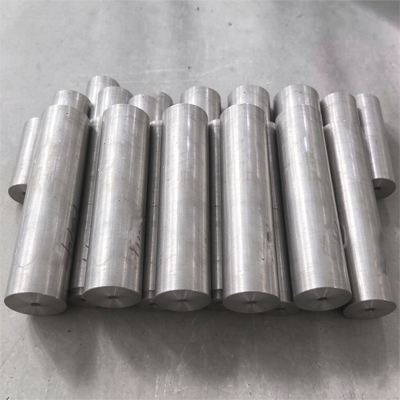
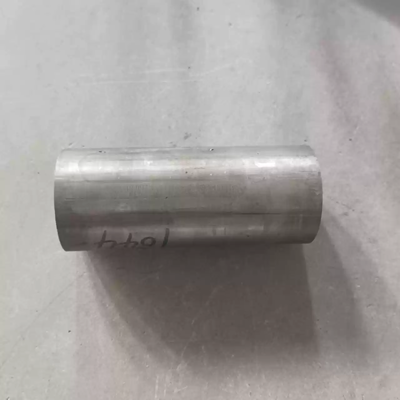
The product positioning of manganese-copper master alloy (also known as copper-manganese master alloy) lies in the fact that it is not a final structural material, but rather a “functional additive” used in the melting of copper alloys. It is produced by melting copper and manganese in a specific ratio, and is typically supplied in the form of alloy ingots or blocks.
Physical Form and Usage
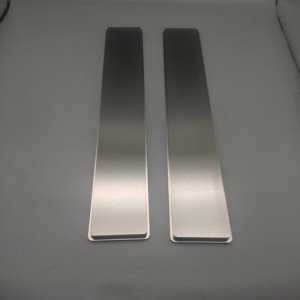
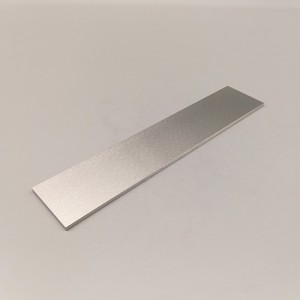
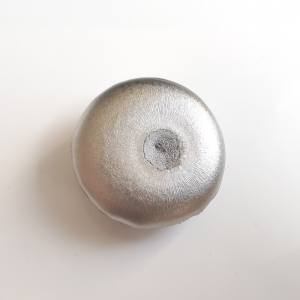
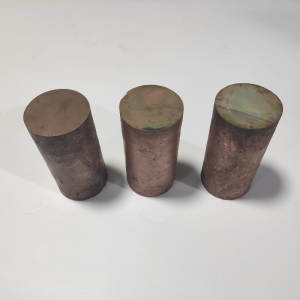
Form: Usually in solid block or ingot form; powder form is also available for special melting processes.
Core Functions and Roles
In copper alloy production, its primary value is reflected in melt treatment and property control:
Deoxidation and desulfurization: Manganese reacts with oxygen and sulfur in the melt to form compounds that float to the surface, thereby purifying the copper liquid.
Grain refinement: Inhibits grain growth during solidification of copper alloys, improving strength, hardness, and toughness.
Precise manganese addition: Compared with adding pure manganese directly, the master alloy has a lower melting point and requires a lower addition temperature, effectively reducing manganese burn-off and enabling precise composition control.
Common grades are named after their manganese content, such as Cu80Mn20, Cu70Mn30 (containing 28.0–31.0% Mn), CuMn28, CuMn22, etc.