

Custom Precision Stainless Steel Alloy (316/304)
Stainless Steel Alloy
Stainless steel is an important category of alloy steel, renowned for its core characteristic: resistance to corrosion from weak media such as air, steam, and water, as well as resistance to chemical erosion from acids, alkalis, and salts. This is why it is also known as corrosion-resistant steel.
The key to stainless steel’s “stainless” property lies in its chromium (Cr) content. When the chromium content in the steel reaches about 12%, chromium reacts with oxygen in the corrosive environment to form a dense oxide film on the steel’s surface (known as the “passivation film”). This film effectively prevents further oxidation and corrosion of the underlying metal. In addition to chromium, other alloying elements like nickel (Ni) and molybdenum (Mo) are often added, each imparting different properties to the steel.
Based on their microstructure at room temperature, stainless steels are mainly classified into types such as austenitic, ferritic, martensitic, and duplex stainless steels. Among these, austenitic stainless steel is the most widely used due to its excellent overall performance. The three grades we will compare in detail—304, 316, and 2520—all belong to this family.
Below is a detailed comparison of the composition, properties, and applications of these three common types of stainless steel: 304, 316, and 2520.
Composition Comparison ( We accept customization according to your specifications.)
The key differences in the composition of these three steels lie in the content of chromium, nickel, and molybdenum, as detailed in the table below:
| Element | 304 Stainless Steel | 316 Stainless Steel | 2520 Stainless Steel (310S) |
|---|---|---|---|
| Carbon (C) | ≤ 0.08 | ≤ 0.08 | ≤ 0.08 |
| Silicon (Si) | ≤ 1.00 | ≤ 1.00 | ≤ 1.50 |
| Manganese (Mn) | ≤ 2.00 | ≤ 2.00 | ≤ 2.00 |
| Chromium (Cr) | 18.0 – 20.0 | 16.0 – 18.5 | 24.0 – 26.0 |
| Nickel (Ni) | 8.0 – 10.5 | 10.0 – 14.0 | 19.0 – 22.0 |
| Molybdenum (Mo) | None | 2.0 – 3.0 | None |
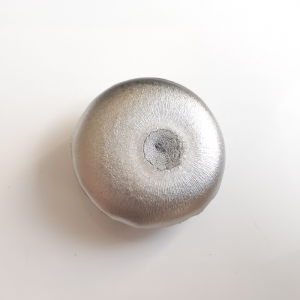
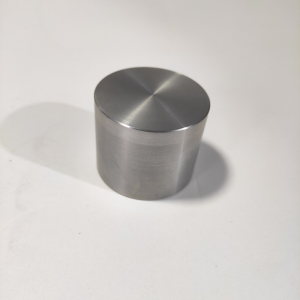
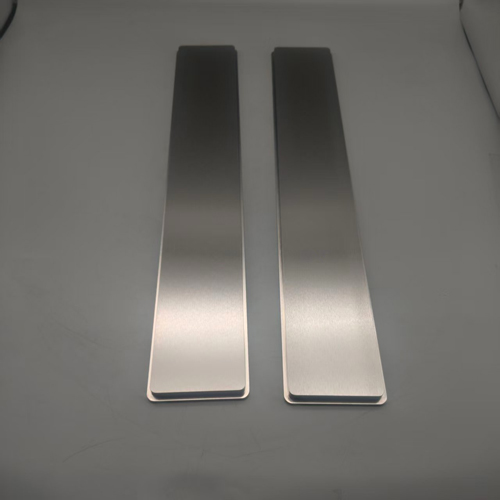
316 steel steel alloy
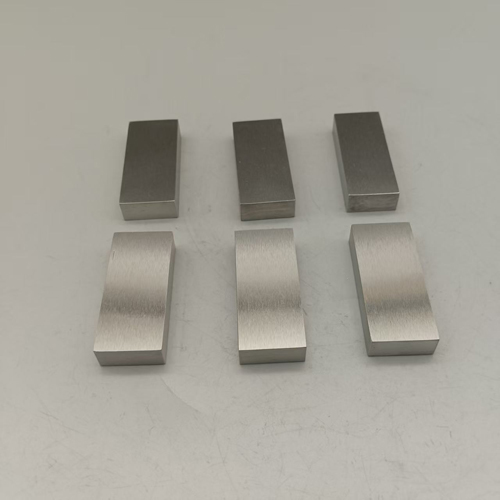
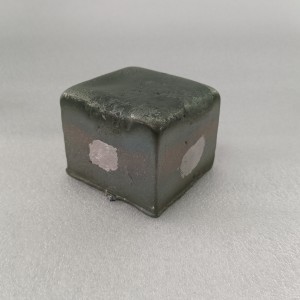
304 stainless steel
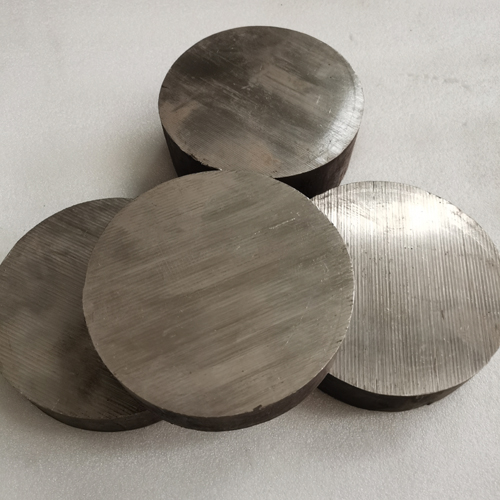
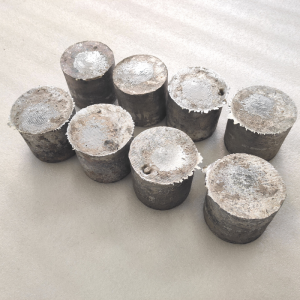
2520 stainless steel
Performance and Application Descriptions
304 Stainless Steel
- Performance Characteristics: As the most widely used stainless steel, it offers good corrosion resistance, heat resistance, low-temperature strength, and mechanical properties. It has excellent hot workability (such as stamping and bending) and no hardening during heat treatment. Its service temperature range is broad (-196°C to 800°C). However, in environments containing chloride ions, it may be susceptible to pitting corrosion.
- Typical Applications: Widely used in the food industry, household items (such as tableware, kitchen cabinets, water heaters), indoor piping, building decoration, automotive parts, and medical devices.
316 Stainless Steel
- Performance Characteristics: Due to the addition of 2-3% molybdenum (Mo) , its core advantage lies in its superior corrosion resistance, especially its resistance to pitting and chloride ion corrosion, far exceeding that of 304. It performs excellently in harsh environments like seawater and various strong acids (such as sulfuric, hydrochloric, and acetic acids). It also maintains good high-temperature strength and is known as “marine grade stainless steel.”
- Typical Applications: Primarily used in applications demanding higher corrosion resistance, such as equipment in marine environments, chemical processing equipment, paper manufacturing equipment, pharmaceutical and photographic equipment, heat exchangers, and components like valves and pumps.
2520 Stainless Steel (310S)
-
Performance Characteristics: Thanks to its very high chromium and nickel content, its most outstanding features are excellent high-temperature oxidation resistance and high-temperature strength, with a maximum service temperature reaching up to 1200°C, allowing for continuous operation at high temperatures. However, prolonged exposure in the 600-800°C temperature range may lead to embrittlement. It is also sensitive to sulfur-containing environments.
- Typical Applications: Specifically designed for manufacturing various high-temperature load-bearing components, such as electric furnace tubes, heat treatment furnace chambers, continuous annealing furnace rollers, and petrochemical cracking equipment.