Welcome to our websites!



News
-
A Comprehensive Analysis of Nickel-Cobalt Alloy Sputtering Targets
What Are Nickel-Cobalt Alloy Sputtering Targets, and Why Are They So Important? Nickel-cobalt alloy sputtering targets are critical materials used in physical vapor deposition (PVD) processes, primarily composed of nickel and cobalt in specific ratios. These materials play an indispensable role ...Read more -
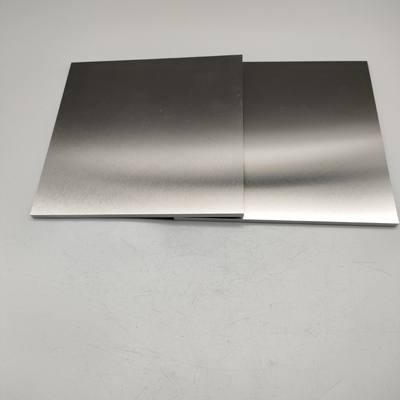
A Comprehensive Analysis of Nickel-Cobalt-Iron-Aluminum-Chromium-Titanium Alloy Sputtering Targets
In today’s rapidly advancing fields of advanced manufacturing and materials science, sputtering targets, as core materials for surface engineering and thin-film preparation, are playing an increasingly vital role. Among them, nickel-cobalt-iron-aluminum-chromium-titanium (Ni-Co...Read more -
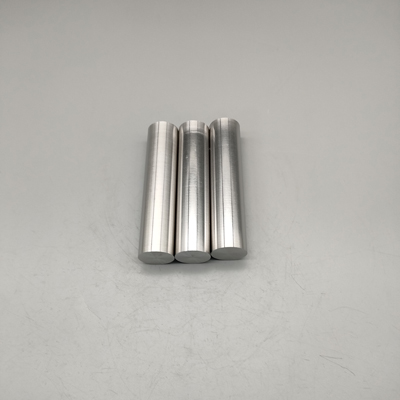
Comprehensive Analysis of Iron-Nickel-Chromium Sputtering Targets
An iron-nickel-chromium sputtering target (Fe-Ni-Cr Sputtering Target) is a high-purity alloy material used in physical vapor deposition (PVD), composed of iron (Fe), nickel (Ni), and chromium (Cr) in specific ratios. For example, in the semiconductor industry, iron-nickel-chromium sputtering tar...Read more -
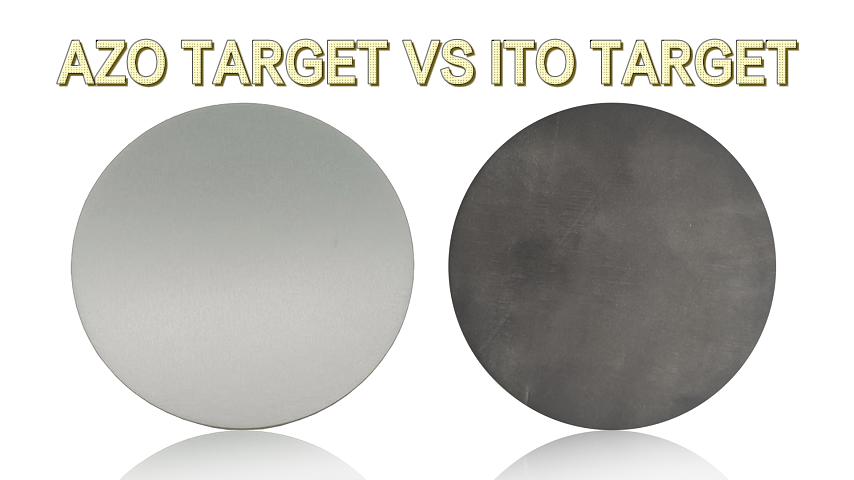
AZO vs ITO Sputtering Targets: Properties, Applications, and Future Complementary Landscape
Transparent conductive oxide (TCO) sputtering targets are critical materials in optoelectronic applications, with AZO (aluminum-doped zinc oxide) and ITO (indium tin oxide) being the two dominant options. Due to differences in performance, cost, and resource availability, these materials have for...Read more -
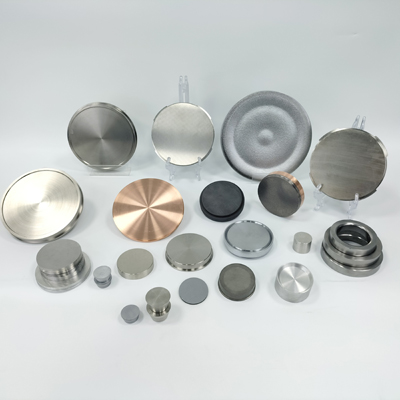
Process Principles and Applications of Sputtering Targets
Sputtering targets are key materials in Physical Vapor Deposition (PVD) technology, widely used in semiconductors, display panels, optical coatings, hard coatings, and other fields. Their process principle is based on the bombardment of the target surface by high-energy particles, causing atoms o...Read more -
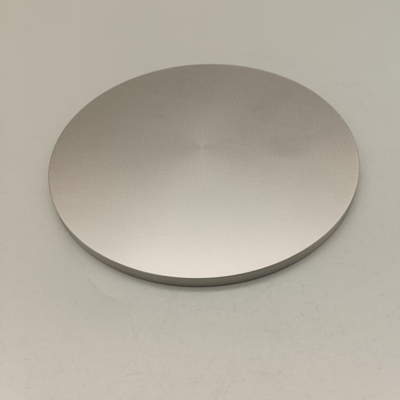
Titanium Sputtering Targets: Applications, Advantages Comprehensive Analysis
Titanium sputtering targets are critical materials in physical vapor deposition (PVD) technology, widely used in semiconductors, tool coatings, optical films, and biomedical applications. This article provides an in-depth analysis of titanium targets, covering their properties, applications, manu...Read more -
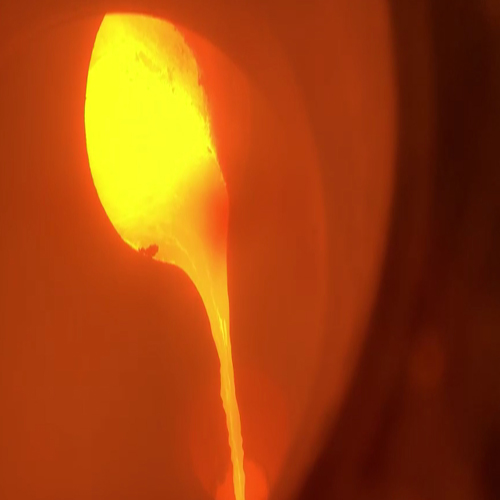
Analysis of the Three Core Preparation Processes for Sputtering Targets
The preparation process of sputtering targets directly affects their purity, density, microstructure, and final coating performance. The mainstream production methods currently include melting & casting, powder metallurgy, and spray forming, each with its own advantages and disadvantages, mak...Read more -
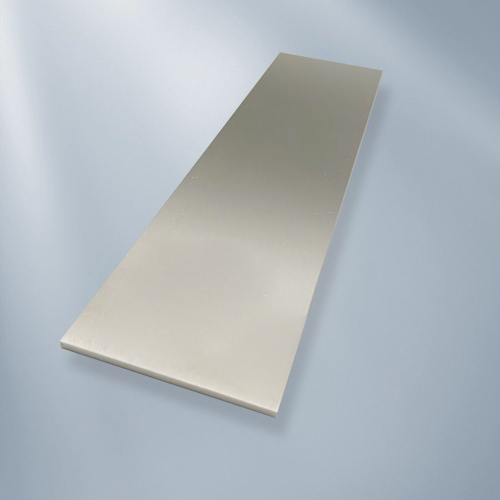
FeCoNiCrAl Sputtering Targets: Properties, Applications, and Future Prospects
Sputtering targets are core materials in physical vapor deposition (PVD) technology, widely used in semiconductors, display panels, solar cells, and other fields. Metals such as iron (Fe), cobalt (Co), nickel (Ni), chromium (Cr), and aluminum (Al), along with their alloy targets, play a crucial r...Read more -

Copper-Zinc Sputtering Target: A Cost-Effective “Gold-Like” Coating Solution
In the field of surface treatment, physical vapor deposition (PVD) technology has gained increasing popularity due to its environmental friendliness and efficiency. Among various sputtering targets, copper-zinc (Cu-Zn) targets stand out as a key material for decorative and functional coatings, of...Read more -
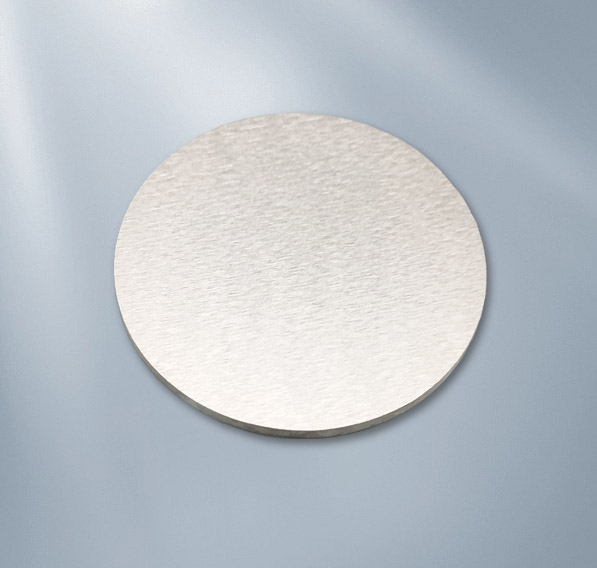
Nickel-Cobalt-Chromium Sputtering Targets: Properties, Fabrication, and Applications Review
Nickel-cobalt-chromium (Ni-Co-Cr) sputtering targets serve as crucial functional materials with extensive application value in thin-film deposition technologies. This paper systematically reviews the fundamental properties, fabrication processes, quality control methods, and current industrial ap...Read more -
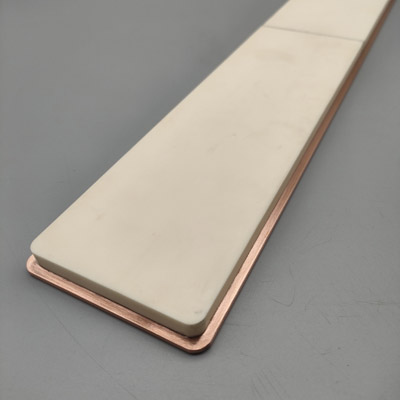
Why Does Alumina (Al₂O₃) Sputtering Target Require a Backing Plate?
In thin-film deposition processes, alumina (Al₂O₃) sputtering targets are widely used in semiconductors, optical coatings, and wear-resistant coatings due to their excellent insulation properties, high-temperature resistance, and chemical stability. However, as a ceramic material, alumina has poo...Read more -
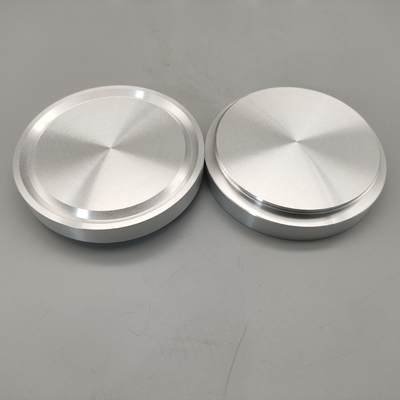
Chromium Aluminum Sputtering Targets: Key Material Solution for Enhancing PVD Coating Performance
Chromium aluminum (CrAl) sputtering targets serve as critical raw materials in physical vapor deposition (PVD) processes, playing an irreplaceable role in the surface treatment of industrial tools and molds. These high-performance targets, through precise control of chromium and aluminum ratios c...Read more