
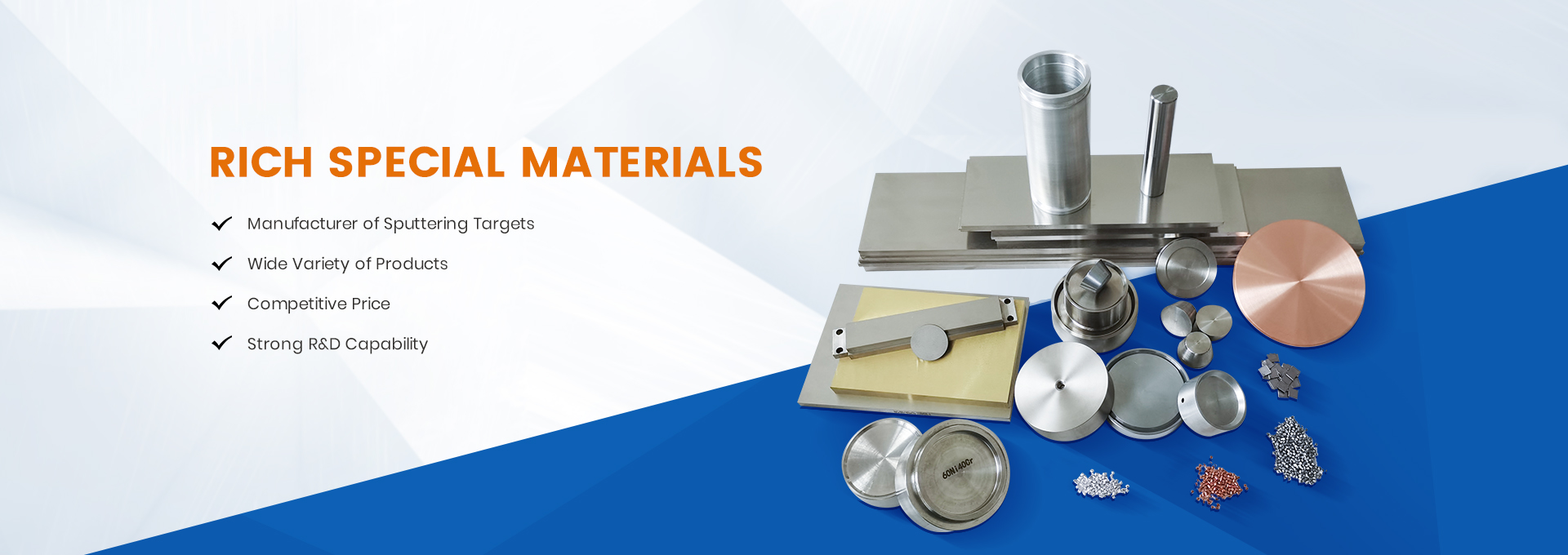
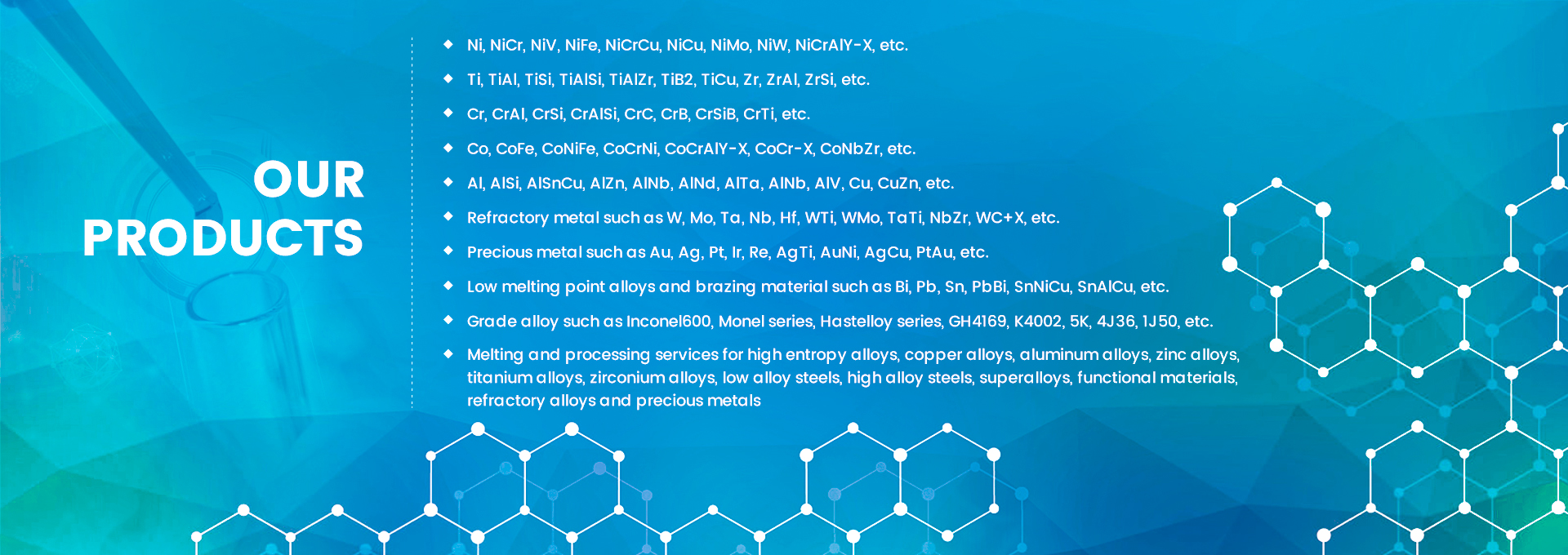



Most pure metals and the targets made from them are silvery-white. However, PVD coating enables a wide range of colorful finishes—contrary to the misconception that “the target’s color determines the coating’s color.”
In fact:
- Titanium targets can produce gold, rose gold, black and blue
- Chromium targets can produce silvery-white, dark gray and gun black
- Zirconium targets can produce pale gold and brass colors
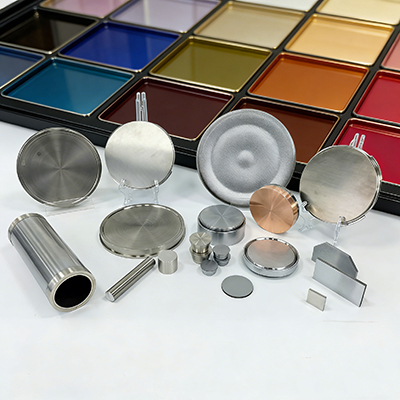
The color of PVD coatings depends not on the metal’s native color, but on reaction-formed compounds (e.g., golden TiN, black TiC, blue-purple TiO₂). Their colors stem from chemical bonds and band structures, entirely different from pure metals.
A simple analogy to understand:
- Target material = “Ingredients” — supplying metal atoms
- Reactive gas = “Seasoning” — determining the final color
- Plasma = “Heat” — providing energy for the reaction
With the same titanium target, different reactive gases and process parameters create different colors: argon alone for silvery-white, nitrogen (N₂) for classic gold, acetylene (C₂H₂) for deep black, and oxygen (O₂) for blue or purple. One target can achieve a rainbow of hues—this is the charm of PVD, and the value of target manufacturers.
Coating color is jointly determined by target material + reactive gas + process parameters. For example:
- Same titanium target: Low nitrogen flow → pale gold; Medium nitrogen flow → standard gold; High nitrogen flow → reddish gold; Acetylene added → rose gold/black
- Same zirconium target: Low nitrogen flow → pale yellow; High nitrogen flow → deep brass
Behind every color is a carefully prepared sputtering target. In a vacuum, it endures ion bombardment, delivering atoms to the product surface to form a thin film that combines beauty and performance. As a target manufacturer, we provide not just materials, but the cornerstone for realizing color and performance goals.
Choose the right target to get your desired color; use it well to ensure every product stands the test of time and scrutiny.
Post time: Mar-30-2026