



In the manufacturing of modern high-tech products, from smartphone screens to energy-efficient glass and precision chips, a core coating technology called “magnetron sputtering” is indispensable. Simply put, it acts like an “ion spray gun,” using high-energy particles to bombard a material called a “target,” knocking atoms off the target, which then deposit onto glass or silicon wafers, forming a thin functional film.
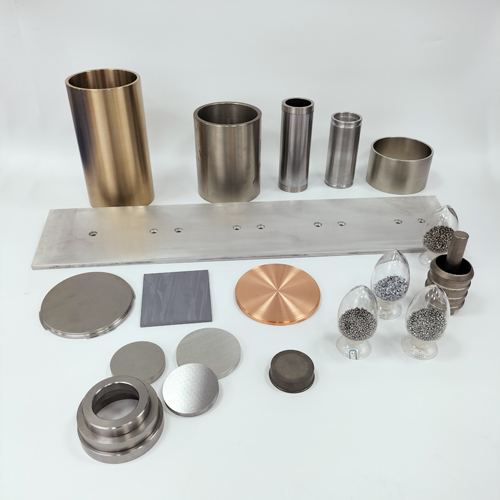
However, during this precise process, engineers often encounter a headache-inducing problem: target poisoning. This doesn’t mean the target is literally sick, but rather that it has fallen into a state of being “paralyzed” or “stuck.”
I. What is “Target Poisoning”?
Imagine using a pure titanium metal target to coat eyeglass lenses with a decorative golden titanium nitride film via sputtering. Ideally, we introduce argon (for bombardment) and a small amount of nitrogen (for reaction). Titanium atoms are ejected and combine with nitrogen atoms on their way to the lens, perfectly forming the film.
But if we accidentally introduce excess nitrogen, problems arise. The surplus nitrogen reacts with the titanium directly on the target surface first, forming a thick, armor-like layer of golden titanium nitride. This “armor” covers the target, making it difficult for subsequent ion bombardment to reach the underlying titanium metal. This phenomenon is target poisoning.
In short, target poisoning is a malfunction during reactive sputtering where the target surface becomes covered with an unwanted compound layer, causing a sharp drop in sputtering rate and disrupting the process.
II. What Causes Target Poisoning?
The main culprits leading to target poisoning are often operational pitfalls:
- “Too Much” Reactive Gas
This is the most common cause. It’s like adding salt while cooking—too little is bland, too much ruins the dish. When the flow of reactive gases (like oxygen or nitrogen) exceeds the amount needed for the reaction, the excess gas attacks the target surface, forming the compound layer. - “Weak” Sputtering Power
Sputtering power determines the force hitting the target. If the power is set too low, fewer metal atoms are ejected. If reactive gas is still flowing abundantly, you get a “too much gas, too few atoms” scenario, where the excess gas poisons the target. - “Dirty” Vacuum Environment
If the vacuum chamber isn’t clean enough or has a minor leak, residual impurities like oxygen and water vapor act as reactive gases. They can quietly oxidize the target surface, causing “chronic poisoning” that is subtle and hard to troubleshoot.
III. How to Tell if the Target is Poisoned?
Experienced technicians can often diagnose poisoning through observation and monitoring:
- Check the Color: This is the most direct sign. If a normally silver-white metallic target surface shows discoloration (e.g., silicon target turning white, titanium target turning gold), it’s likely poisoned.
- Listen to the Sound: Normal sputtering produces a steady “hissing” sound. Poisoning may cause the sound to become muffled, or you might hear intermittent “crackling” from arcing.
- Monitor the Parameters: Voltage and current readings may fluctuate abnormally. For instance, the voltage might mysteriously increase to maintain the same power level.
- Inspect the Product: Discoloration or poor performance of the coated product is also a strong indicator of target poisoning.
IV. What to Do When the Target is Poisoned? How to Prevent It?
If poisoning occurs, don’t panic. Follow these “first aid” steps:
- Mild Poisoning: “Reverse Sputtering” Cleaning
Immediately shut off the reactive gas (e.g., oxygen, nitrogen), leaving only argon. Increase the power and use the pure argon plasma to bombard the target surface. This acts like sandpaper, gradually eroding the poisonous “compound armor” and exposing the fresh metal surface. This is also called “pre-sputtering.” - Severe Poisoning: Replace the Target
If the poisoning is too deep, the compound layer is too hard to remove via reverse sputtering, or the target shows cracks or arc damage, the most direct solution is to replace the target. While costly, it’s the only way to ensure product quality.
Of course, prevention is better than cure. Engineers use several effective techniques to avoid target poisoning:
- Precise Gas Control: Use high-precision mass flow controllers to strictly regulate reactive gas flow. Advanced systems use closed-loop feedback, allowing the equipment to automatically adjust gas based on real-time process parameters, preventing excess gas.
- Use Advanced Power Supplies: Employ mid-frequency or pulsed DC power instead of traditional DC power. These power supplies effectively neutralize charge buildup on the target surface, disrupting the conditions needed for compound layer formation. This is a powerful tool for poisoning prevention.
- Maintain Vacuum Cleanliness: Regularly clean the vacuum chamber and perform leak checks to ensure no air infiltration, eliminating impurity gases at the source.
Conclusion
“Target poisoning” is an inevitable challenge in the coating process. By understanding its causes and mastering its characteristics, we can respond calmly when it appears. Through precise process control and standardized operating procedures, we can keep the target “healthy” and produce high-quality coated products.
Post time: Feb-26-2026