




In modern manufacturing and technology, nickel target coating technology has garnered significant attention due to its excellent performance and wide range of applications. Whether in electronic devices, optical components, or decorative coatings, nickel coatings play a crucial role. However, many people have questions about the color of nickel coatings: Is it always silver-white? In fact, the color of nickel target coatings is far more diverse than you might imagine. This article delves into the mechanisms of color formation in nickel coatings, influencing factors, and their applications, unveiling the mystery behind this scientific phenomenon.
Basics of Nickel Target Coating
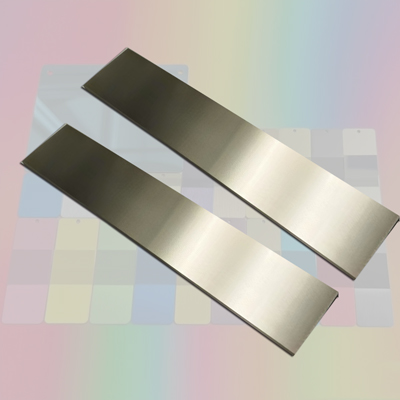
Nickel target coating involves the deposition of nickel atoms onto a substrate surface through techniques such as Physical Vapor Deposition (PVD) or Chemical Vapor Deposition (CVD) to form a thin film. Pure nickel coatings typically appear silver-white with a metallic luster, which is the natural color of nickel. However, with advancements in technology and diverse demands, the color of nickel coatings has become more varied.
Mechanisms of Color Formation in Nickel Coatings
The color of nickel coatings is primarily determined by the following factors:
1. Coating Thickness
The thickness of the coating significantly affects light interference and reflection. When the coating is thin, nickel coatings usually appear silver-white; as the thickness increases, light interference can lead to rainbow or other colorful effects.
2.Process Parameters
Parameters such as sputtering power, pressure, and temperature in the coating process influence the microstructure and surface morphology of the coating, thereby altering its color. For example, high-power sputtering can result in a rough surface, giving a gray-black appearance
3. Alloying
When nickel is alloyed with other metals (such as copper, zinc, or tin), the color of the coating changes. For instance, nickel-copper alloy coatings may appear golden-yellow, while nickel-tin alloy coatings may exhibit a bluish-gray hue.
4.Post-Processing
Post-coating treatments such as heat treatment, oxidation, or passivation can further modify the coating color. For example, black nickel coatings are formed by adding sulfides or other elements.
Common Colors of Nickel Coatings and Their Applications
1.Silver-White
Characteristics: The typical color of pure nickel coatings, featuring a metallic luster. Applications: Electronic components, anti-corrosion coatings, basic decorative coatings.
2.Gray-Black Characteristics: Formed when the coating is thick or the surface is rough, with a matte finish. Applications: Optical components, anti-reflective coatings.
3.Black
Characteristics: Achieved through black nickel electroplating or adding sulfides, with high light absorption. Applications: Decorative coatings, solar absorbers.
4.Multicolor
Characteristics: Formed by light interference or alloying, including blue, green, golden-yellow, etc. Applications: High-end decoration, artistic coatings.
5.Other Colors
Characteristics: Achieved through special processes or alloying, such as bluish-gray or green. Applications: Specialized equipment, customized products.
Future Trends in Nickel Coating Colors
With technological advancements and changing market demands, nickel target coating technology is evolving towards multifunctionality and intelligence. For example: Smart Color Adjustment: Precise control of coating colors by adjusting process parameters. Eco-Friendly Processes: Developing pollution-free, low-energy coating technologies to meet green manufacturing needs. Multifunctional Coatings: Combining color with functionalities (such as anti-corrosion, conductivity, wear resistance) to expand application fields.
The color of nickel target coatings is not only a reflection of scientific technology but also a perfect blend of art and functionality. From silver-white to multicolor, the color variations in nickel coatings are driven by complex physicochemical mechanisms and precise process control. Whether you are a manufacturing professional, a researcher, or a tech enthusiast, understanding the principles of color formation and applications of nickel coatings will open a new door to science for you.
Post time: Aug-02-2025