


Stainless steel is all around us, from kitchen sinks and utensils to the curtain walls of skyscrapers. While it may seem ordinary, it is actually a great invention in the history of human materials.
Why is Stainless Steel “Stainless”?
Its secret lies in the addition of a key element—chromium.
When steel contains enough chromium (over 10.5%), it reacts with oxygen in the air to form an extremely thin, strong, and transparent “chromium oxide protective film” on its surface. This layer acts like an invisible armor, effectively preventing moisture and air from corroding the internal metal. Even if the surface is scratched, this film can repair itself and restore protection.
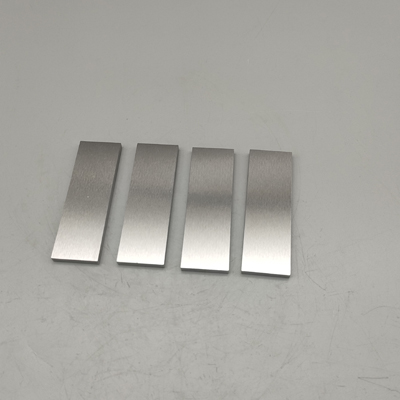
Main Members of the Stainless Steel Family:
By adding different alloying elements and applying heat treatment, the internal crystal structure of stainless steel changes, giving rise to five major categories with distinct properties to meet a wide range of application needs.
1.Austenitic Stainless Steel – The All-Rounder
Characteristics: Non-magnetic, excellent corrosion resistance, good plasticity and toughness, easy to process.
Representative Grades: 304 Stainless Steel (food grade, most common), 316 Stainless Steel (contains molybdenum, even better corrosion resistance, especially against seawater erosion).
Uses: Pots, pans, bowls, cups, building curtain walls, medical devices, chemical equipment.
2.Ferritic Stainless Steel – The Economical Choice
Characteristics: Magnetic, low nickel content (or no nickel), low cost, good resistance to stress corrosion cracking, but formability and toughness are inferior to austenitic steels.
Representative Grade: 430 Stainless Steel.
Uses: Home appliance shells (e.g., washing machines, microwave ovens), interior decoration parts, kitchen utensils.
3.Martensitic Stainless Steel – The Hard and Sharp Type
Characteristics: Magnetic, hardness and strength can be significantly increased through heat treatment, but corrosion resistance is relatively poor.
Representative Grades: 410 Stainless Steel, 420 Stainless Steel, 440C Stainless Steel (increasing hardness).
Uses: Knives, cutlery, surgical instruments, bearings, valves.
4.Duplex Stainless Steel – The Strong and Tough Hybrid
Characteristics: Has a mixed microstructure of austenite and ferrite, high strength (about twice that of austenitic steels), excellent resistance to chloride stress corrosion cracking.
Representative Grade: 2205 Stainless Steel.
Uses: Offshore platforms, petrochemical pipelines, chemical tankers.
5.Precipitation-Hardening (PH) Stainless Steel – The Specialty Expert
Characteristics: Achieves very high strength through special heat treatment processes while maintaining good corrosion resistance.
Representative Grade: 17-4
How to Identify Them Simply?
Look for the Grade Marking: Products often bear markings like “304″ or “316″, which is the most direct proof of identity.
Use a Magnet: Generally, 304 stainless steel does not attract a magnet, while 430 stainless steel will hold it firmly.
Ubiquitous Applications
Stainless steel is widely used for its hygiene, durability, and aesthetic appeal:
Daily Life: Tableware, kitchenware, faucets.
Architecture: Building curtain walls, railings, sculptures.
Medical: Scalpels, forceps, artificial joints.
Technology: Chemical equipment, aerospace components, deep-sea exploration equipment.
Summary
Stainless steel is the result of humanity’s clever utilization of natural laws. From an accidental discovery, it has grown into an important material supporting modern civilization. Its unassuming silver luster silently safeguards our daily lives and also aids us in exploring the wider world.
Post time: Nov-27-2025