

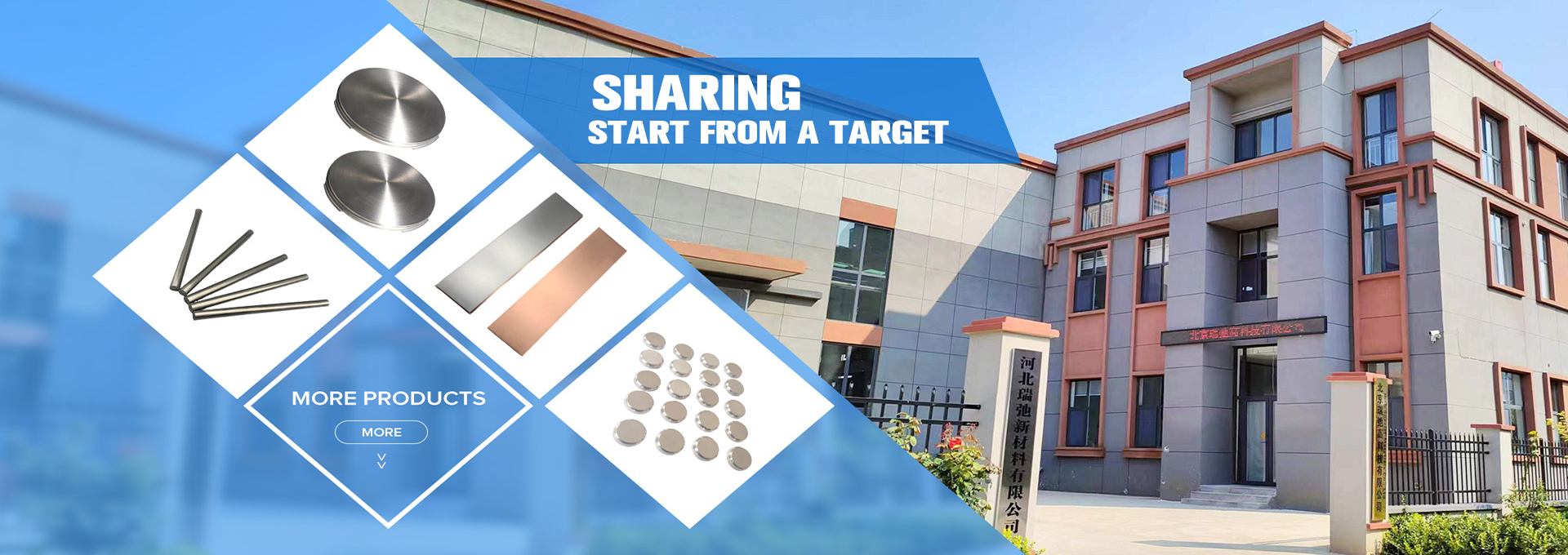

In modern technology, aluminum-tin-silicon sputtering targets play a crucial role. Whether in semiconductor manufacturing or the photovoltaic industry, this material is highly valued for its unique properties. However, with growing demand, optimizing its preparation process and application performance has become a focal point in the industry. This article delves into the applications, challenges, and solutions for aluminum-tin-silicon sputtering targets, providing practical operation guidelines and a checklist.
What Are Aluminum-Tin-Silicon Sputtering Targets?
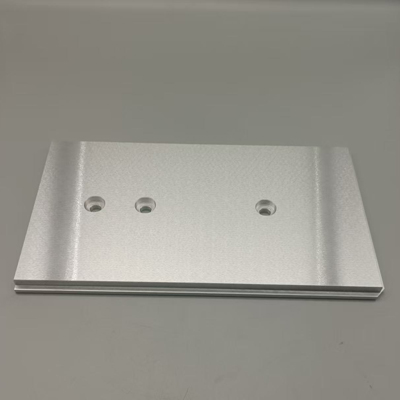
Aluminum-tin-silicon sputtering targets are key materials used in physical vapor deposition (PVD) processes. Their main components include aluminum, tin, and silicon, offering high conductivity, corrosion resistance, and excellent mechanical properties. These characteristics make them widely applicable in thin-film deposition.
What are AlSnSi sputtering target application fields?
aluminum-tin-silicon sputtering targets are extensively used in semiconductors, photovoltaics, display technology, and optical coatings. For example, in semiconductor manufacturing, they are used to form metal interconnect layers, while in the photovoltaic industry, they are employed to create efficient solar cell electrodes.
What is the Preparation Process of Aluminum-Tin-Silicon Sputtering Targets?
Material Selection and Ratio
The first step in preparing high-quality aluminum-tin-silicon sputtering targets is selecting the right raw materials and determining their ratios. Typically, the proportions of aluminum, tin, and silicon are adjusted based on specific application requirements to ensure optimal performance.
Melting and Casting
Next, the selected materials are melted and cast. This step requires strict control of temperature and time to avoid component segregation and impurity introduction.
Heat Treatment and Processing
The melted material undergoes heat treatment and mechanical processing to improve its microstructure and mechanical properties. Heat treatment includes annealing, quenching, and tempering, while mechanical processing involves cutting, grinding, and polishing.
Quality Inspection
Finally, the prepared targets undergo rigorous quality inspection. Common tests include composition analysis, density measurement, and surface roughness testing to ensure they meet application standards.
What are the challenges faced by aluminum-tin-silicon target materials? And what are the effective solutions?
Challenge 1: Composition Uniformity
In practical applications, the composition uniformity of aluminum-tin-silicon sputtering targets is a critical issue. Non-uniform composition can lead to fluctuations in thin-film performance, affecting the final product’s quality.
Solution: Optimize Melting Process
To address this, the melting process can be optimized using technologies like electromagnetic stirring or ultrasonic treatment to enhance material uniformity.
Challenge 2: Surface Roughness
Another common issue is excessive surface roughness, which impacts thin-film deposition and adhesion.
Solution: Precision Processing
By introducing precision processing technologies such as CNC grinding and chemical mechanical polishing (CMP), surface roughness can be effectively reduced, improving the target’s surface quality.
Case Study: Our Team’s 2025 Discovery
In a 2025 case study, our team successfully improved the composition uniformity of aluminum-tin-silicon sputtering targets by 15% and reduced surface roughness by 20% by optimizing the melting process and introducing precision processing, significantly enhancing thin-film performance.
Comparative Analysis of Aluminum-Tin-Silicon Sputtering Targets
| Item | Traditional Targets | Aluminum-Tin-Silicon Targets |
|---|---|---|
| Composition Uniformity | Average | Excellent |
| Surface Roughness | High | Low |
| Conductivity | Good | Excellent |
| Corrosion Resistance | Average | Excellent |
| Application Scope | Limited | Broad |
Operation Guide for Aluminum-Tin-Silicon Sputtering Targets
Step 1: Material Selection
Select appropriate aluminum, tin, and silicon raw materials based on specific application needs and determine their ratios.
Step 2: Melting and Casting
Melt and cast the selected materials, controlling temperature and time to avoid component segregation and impurity introduction.
Step 3: Heat Treatment
Perform heat treatment on the melted material, including annealing, quenching, and tempering, to improve its microstructure and mechanical properties.
Step 4: Mechanical Processing
Use precision processing technologies like CNC grinding and chemical mechanical polishing (CMP) to cut, grind, and polish the target.
Step 5: Quality Inspection
Conduct rigorous quality inspection on the prepared target, including composition analysis, density measurement, and surface roughness testing, to ensure it meets application standards.\
Aluminum-tin-silicon sputtering targets, as a key material, have broad application prospects in various high-tech fields. By optimizing the preparation process and addressing common issues, their performance and application effectiveness can be significantly improved. This article’s in-depth analysis and practical guidelines aim to provide valuable insights for industry professionals.
Post time: Jul-15-2025