



In the field of surface treatment, physical vapor deposition (PVD) technology has gained increasing popularity due to its environmental friendliness and efficiency. Among various sputtering targets, copper-zinc (Cu-Zn) targets stand out as a key material for decorative and functional coatings, offering a unique golden appearance and excellent cost-performance ratio. This article provides a comprehensive overview of the properties, applications, and future prospects of copper-zinc sputtering targets.
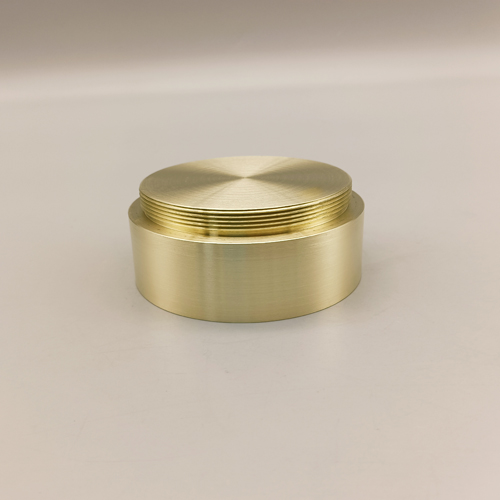
Fundamental Characteristics of Cu-Zn Targets
1.1 Composition and Structure Cu-Zn targets are based on brass alloys, typically with a composition of 70% copper and 30% zinc (known as 7-3 brass). The zinc content can be adjusted within a range of 5%–40% to meet different requirements. Under high-energy argon ion bombardment, Cu-Zn atoms are sputtered and deposited onto substrates, forming dense alloy thin films.
1.2 Key Performance
Advantages Aesthetic Appeal: Delivers a warm golden hue, closely resembling real gold.
Functional Properties: Electrical resistivity , neutral salt spray resistance exceeding 72 hours.
Economic Efficiency: Material cost is only 5%–8% of gold targets, compatible with existing PVD production lines.
2. Application Areas
2.1 Decorative Coatings (80% of Total Applications) Plumbing Fixtures: The “Cu-Zn film + transparent protective coating” process achieves a gloss level of 5 (ASTM D523 standard) for faucets, reducing costs by 60% compared to gold electroplating. Consumer Electronics: Used for smartphone frames and smartwatch casings, requiring only 1–3 μm film thickness for a metallic finish.
Fashion Accessories: Replaces traditional electroplating, eliminating cyanide pollution.
2.2 Industrial Functional Applications
Electronic Packaging: A 2 μm Cu-Zn layer on lead frames improves solder joint reliability (push-pull test strength increased by 30%).
Optical Components: Adjusting zinc content enables >80% reflectivity in the 380–650 nm wavelength range.
3. Technical Challenges and Solutions
3.1 Current Limitations
Oxidation Issues: Zinc reacts with atmospheric sulfides, causing blackening (visible discoloration within 48 hours in H₂S environments).
Hardness Constraints: Microhardness typically ranges from 150–200 HV (only 1/3 of TiN coatings).
3.2 Improvement Strategies
Multilayer Design: Alternating Cu-Zn/TiN deposition extends corrosion resistance to 500+ hours in salt spray tests.
Reactive Sputtering: Introducing nitrogen to form copper-zinc nitride films increases hardness.
Post-Treatment: Depositing a 10 nm diamond-like carbon (DLC) protective layer via magnetron sputtering.
Cu-Zn sputtering targets represent a breakthrough in “copper-for-gold” substitution, delivering aesthetic value at a fraction of the cost. With advancements in surface engineering—such as composition optimization and process innovation—Cu-Zn-based coatings are poised to expand into high-end decorative and flexible electronics applications. For manufacturers seeking a balance between cost and performance, Cu-Zn targets remain one of the most commercially viable PVD solutions available today.
Post time: Sep-28-2025