


In the context of rapid global technological advancement, alloy targets and the low-altitude economy, two seemingly independent fields, are gradually demonstrating the potential for deep integration. Alloy targets, as core materials in high-end manufacturing, play a crucial role in semiconductors, optical coatings, and other fields. Meanwhile, the low-altitude economy, with drones and low-altitude aircraft as its carriers, has become a new engine for economic growth. This article explores how alloy targets drive the development of the low-altitude economy through material innovation and analyzes the future prospects of their collaborative development.
Alloy Targets: The Cornerstone of High-End Manufacturing
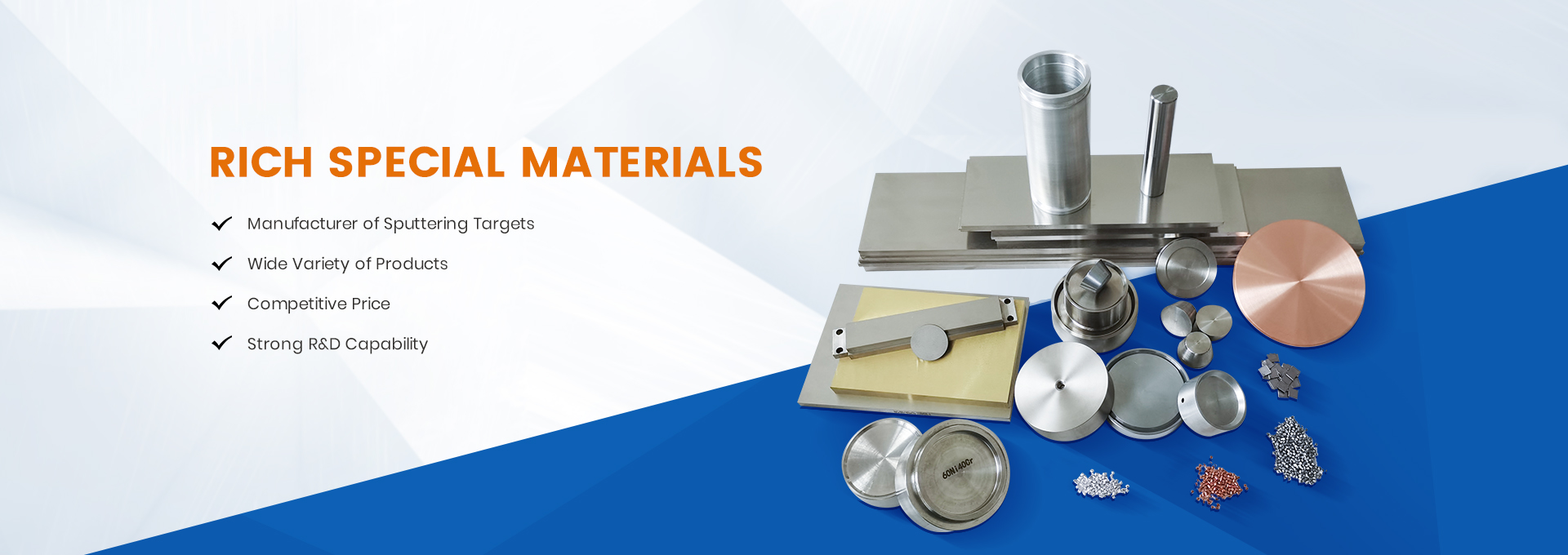
Alloy targets are key materials used in sputtering coating technology to deposit alloy materials onto substrate surfaces. They are widely applied in semiconductors, display technologies, optical coatings, and more. As technology advances, the requirements for the purity, uniformity, and performance of alloy targets continue to increase, driving innovation in new materials and manufacturing processes.
In the low-altitude economy, the role of alloy targets extends beyond traditional applications. Their material properties provide critical technical support for devices such as drones and low-altitude aircraft. For example, materials like titanium alloys, aluminum alloys, and magnesium alloys, known for their lightweight, high strength, and corrosion resistance, have become the materials of choice for manufacturing low-altitude aircraft.
The Low-Altitude Economy: A New Engine for Emerging Industries
The low-altitude economy refers to economic activities conducted using low-altitude airspace resources, encompassing drone logistics, agricultural monitoring, air traffic, emergency rescue, and more. With the maturation of drone technology and the proliferation of low-altitude aircraft, the low-altitude economy is gradually forming a complete industrial chain and demonstrating immense market potential.
In the development of the low-altitude economy, material innovation is a key driver. Lightweight, high-strength, and high-temperature-resistant materials can significantly enhance the performance and efficiency of low-altitude aircraft, and advancements in alloy targets provide essential support for the development and application of these materials.

Collaborative Development of Alloy Targets and the Low-Altitude Economy
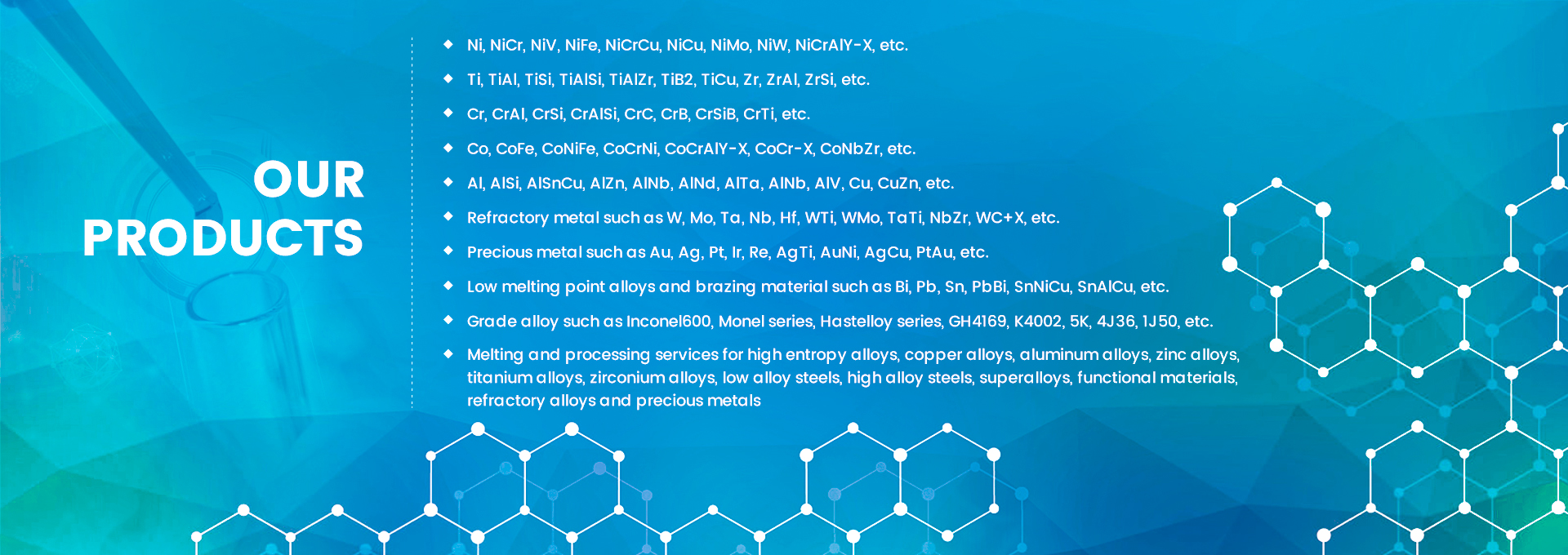
- Titanium Alloys Sputtering Targets: The Fusion of Lightweight and High Performance
Titanium alloys, known for their high strength, low density, and excellent corrosion resistance, are ideal materials for the structural components of drones and low-altitude aircraft. For instance, the use of titanium alloys in drone frames and engine components not only reduces weight but also improves the durability and flight efficiency of the equipment. Additionally, the application of titanium alloy targets in coating technology supports the development of surface coatings for low-altitude aircraft. - Aluminum Alloys Sputtering Targets: Balancing Low Cost and High Efficiency
Aluminum alloys, valued for their low cost and excellent processability, are widely used in drone casings and the wing structures of low-altitude aircraft. Through alloy target technology, the purity and uniformity of aluminum alloys have been further enhanced, broadening their applications in the low-altitude economy. For example, the use of aluminum alloys in logistics drones significantly reduces manufacturing costs while ensuring equipment reliability. - Magnesium Alloys Sputtering Targets: Breakthroughs in Ultra-Lightweight Design
Magnesium alloys, the lightest structural metal materials, are used in drone battery casings and seat frames of low-altitude aircraft. Alloy target technology has further optimized the properties of magnesium alloys, making them excel in shock absorption and lightweight design. For instance, the use of magnesium alloys in agricultural monitoring drones extends battery life and improves operational efficiency. - Nickel-Based Alloys Sputtering Targets: Reliable Choices for High-Temperature Environments
Nickel-based alloys, known for their high-temperature resistance and oxidation resistance, are widely used in engine components of low-altitude aircraft. For example, their use in turbine blades and exhaust systems significantly enhances the durability and safety of the equipment. Alloy target technology provides critical support for the development and manufacturing of nickel-based alloys, driving technological advancements in the power systems of low-altitude aircraft. - Copper Alloys Sputtering Targets: Core Materials for Electronic Systems
Copper alloys, with their high electrical and thermal conductivity, are key materials for the electronic systems of drones and low-altitude aircraft. For instance, their use in circuit connectors and sensor components improves signal transmission efficiency and equipment stability. Alloy target technology ensures the precision manufacturing of copper alloys, fostering innovation in electronic devices for the low-altitude economy.
As the low-altitude economy rapidly develops, the demand for high-performance materials will continue to grow, and advancements in alloy targets will provide essential support for this field. In the future, their collaborative development will mainly manifest in the following aspects:
- Material Innovation Driving Technological Progress
The research and development of alloy targets will lead to the creation of more high-performance materials, offering lighter, stronger, and more durable material solutions for low-altitude aircraft. - Manufacturing Processes Enhancing Equipment Performance
Precision manufacturing technologies for alloy targets will be applied to the production of low-altitude aircraft, improving equipment reliability and safety. -
Market Expansion Promoting Industrial Upgrading The growth of the low-altitude economy will open new markets for alloy targets, driving their applications in high-end manufacturing and promoting industrial upgrading. The collaborative development of alloy targets and the low-altitude economy is not only a model of the integration of material innovation and emerging industries but also provides new momentum for economic growth and technological progress. In the future, as the two fields deepen their integration, more innovative applications will emerge, propelling the low-altitude economy to become a significant growth point in the global economy. In this process, alloy targets, as the core of material innovation, will continue to play an irreplaceable role.
Post time: Jun-17-2025